
Is PP or PS Better for Large Beverage Cups? A Practical Comparison for Manufacturers
2025-12-12
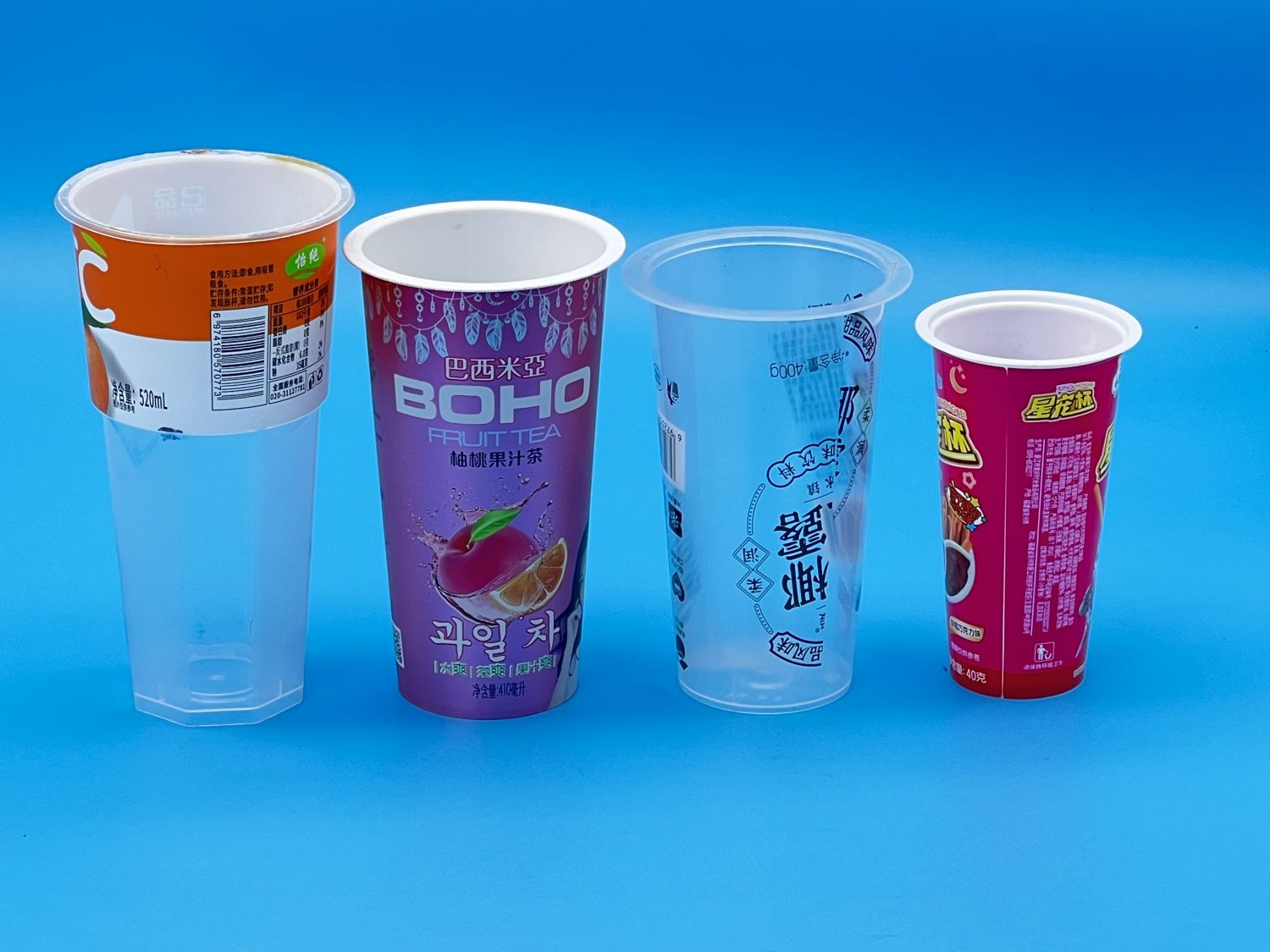
When it comes to producing large beverage cups—those used for smoothies, iced coffee, milk tea, cold juices, and convenience-store drinks—the choice between PP (Polypropylene) and PS (Polystyrene) is more important than many manufacturers realize. In previous articles, we compared PP vs. PS performance, explored PS drinkware molds, and looked deeply into thin-wall cooling efficiency. Now, let’s focus specifically on large-capacity cups, where user comfort, durability, and cost efficiency all come together.
If you’ve been wondering which material fits your production goals, this guide breaks down the practical differences to help you select the right direction.
Why Material Choice Matters More for Large Cups
Large cups (16oz–32oz) must handle:
-
Higher internal pressure
-
Full-hand grip without deformation
-
Temperature changes
-
Long periods of holding cold drinks
-
Transport vibrations
So unlike small party cups, material performance becomes much more noticeable. And honestly, even users can tell the difference immediately when they pick up a cup.
PP Large Beverage Cups: Flexible, Durable, and User-Friendly
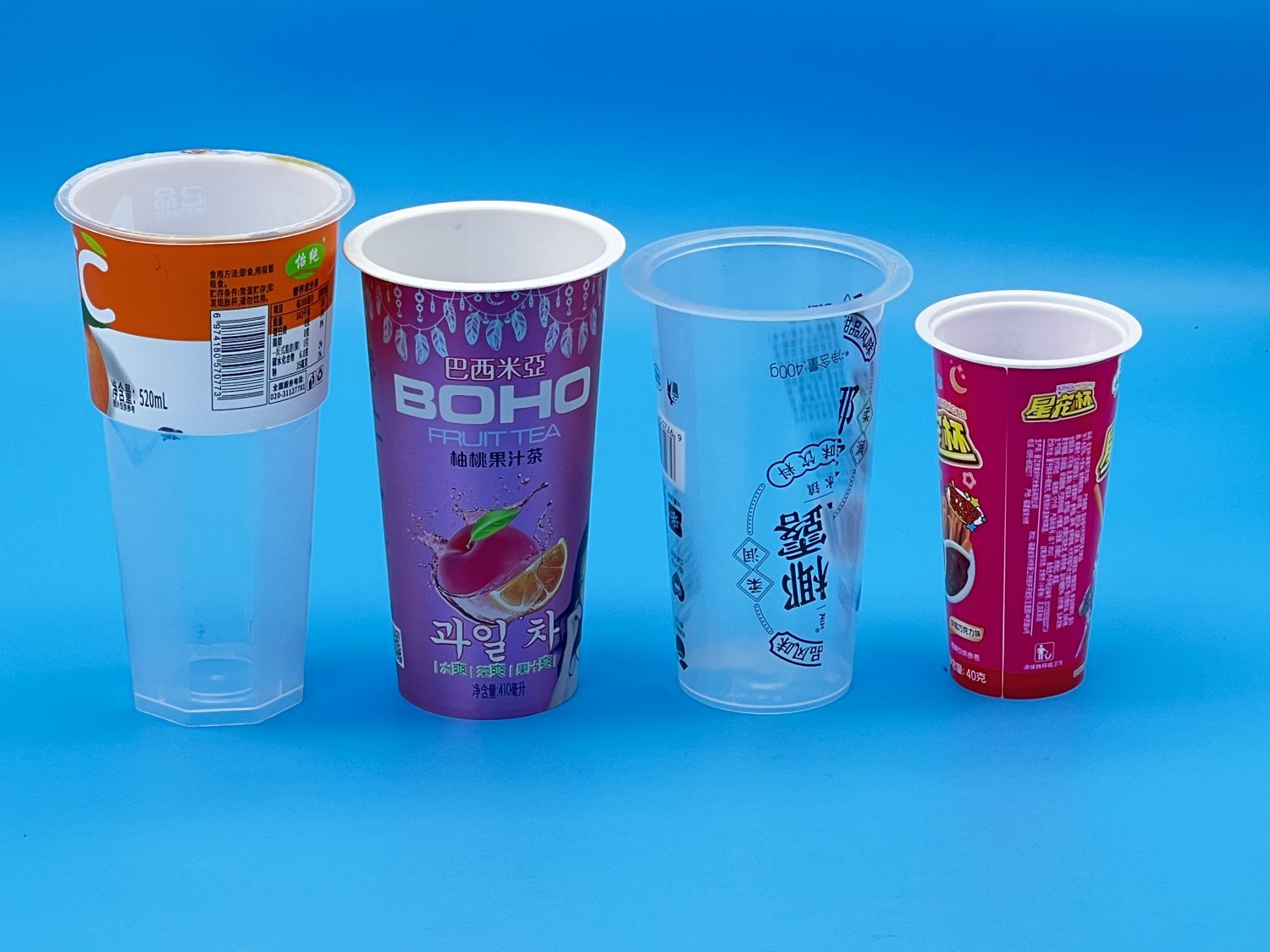
PP is generally favored for bigger cups due to its impact resistance and heat tolerance. Here’s what makes PP stand out:
1. Flexibility That Resists Cracking
PP bends slightly under pressure without breaking—this is crucial for large cups where users squeeze the body when holding them.
Compared with PS, which we discussed as more brittle in our last article, PP offers a more forgiving structure.
2. Higher Heat Resistance
PP can withstand:
-
Hot filling
-
Warm beverages
-
Moderate reheating
This makes it ideal for cafés, milk tea shops, and restaurants that need cups for both hot and cold drinks.
3. Safer for On-the-Go Drinks
Because PP doesn’t crack easily, it’s preferred by brands that sell drinks through delivery apps or convenience stores.
Sometimes the upper rim design are slightly thicker for extra sealing performance, especially when lid tightness matters.
4. But Transparency Is Lower
PP’s main drawback is clarity. It gives a semi-transparent or cloudy appearance. If your brand relies on crystal-clear visual appeal, PS still wins in that category.
PS Large Beverage Cups: Crystal-Clear but Less Durable
While PS is known for its glass-like clarity, it behaves differently under load.
1. Stunning Transparency
If your product line values visibility—like fruit teas, layered desserts, or colorful beverages—PS can deliver a premium display effect.
This is why PS is still widely used for disposable cold drinkware.
2. Lower Cost per Unit
PS material is typically cheaper than PP, making it attractive for high-volume production where appearance matters more than durability.
3. Brittle Under Pressure
Unfortunately, PS cracks easily—especially in large cup sizes where users grip the body more tightly.
Even small transport vibrations can cause micro-cracks.
In our earlier article on PS champagne flute molds, we mentioned that ejector design must be very precise to avoid stress marks. The same applies here.
4. Limited Heat Resistance
PS is strictly for cold beverages.
You cannot hot-fill PS cups without risking deformation or breakage.
Side-by-Side Comparison for Manufacturers
| Feature | PP Large Cups | PS Large Cups |
|---|---|---|
| Durability | High | Low |
| Transparency | Medium | Very High |
| Heat Resistance | High | Low |
| Production Cost | Medium | Low |
| User Safety | High | Medium |
| Cold Drink Performance | Good | Excellent |
| Hot Drink Performance | Excellent | Poor |
| Crack Resistance | High | Low |
Which One Should You Choose?
Choose PP If You Need:
-
Hot or cold beverage compatibility
-
High durability
-
Reusable sturdiness
-
Delivery-friendly packaging
-
Safe cups for children or outdoor use
Choose PS If You Need:
-
Premium crystal clarity
-
Low-cost production
-
Aesthetic-focused cold drink cups
-
Products where visual presentation matters most
How Mold Design Differs Between PP and PS
This is where your mold supplier becomes extremely important.
A PP large cup mold typically requires:
-
Stronger flow channels
-
Higher temperature resistance
-
Optimized cooling for thicker walls
A PS large cup mold needs:
-
Mirror-polished cavities
-
Balanced cooling for transparency
-
Gentle ejection to avoid cracking
Baolin Mould applies these principles across our thin-wall, IML, PP, PS, and rice husk mold designs—so whichever material you choose, the tooling will match your product goals.
Both PP and PS have a place in the large beverage cup market. The “better” material depends entirely on your product positioning:
-
Want durability? Choose PP.
-
Want transparency? Choose PS.
-
Want a hybrid solution? Consider IML PP cups for premium appearance.
If you haven’t read our earlier articles on thin-wall molds or PS disposable drinkware, those pieces connect naturally with today’s topic and can help you build a complete understanding of material performance.
Recent Posts
Contact US
Product Information
Quantity
Unit
Piece
Support order samples, customization, wholesale direct, and complete payment. If the product you look for does not have corresponding customized content, pls fill out the form below to contact us, and we will reply ASAP.