
Why IML Technology Is Becoming Popular for Premium Drink Cups
2025-12-19
In the competitive beverage packaging market, appearance is no longer a “nice-to-have” feature—it’s a selling point. From bubble tea brands to cold brew coffee chains, premium drink cups are expected to look clean, modern, and highly consistent. This is exactly why IML (In-Mold Labeling) technology has gained serious traction in recent years.
If you’ve already explored the differences between PP and PS cups, or read about thin-wall mold performance, IML is the next logical step. It connects durability, branding, and efficiency into one production solution.
What Is IML and Why Does It Matter for Drink Cups?
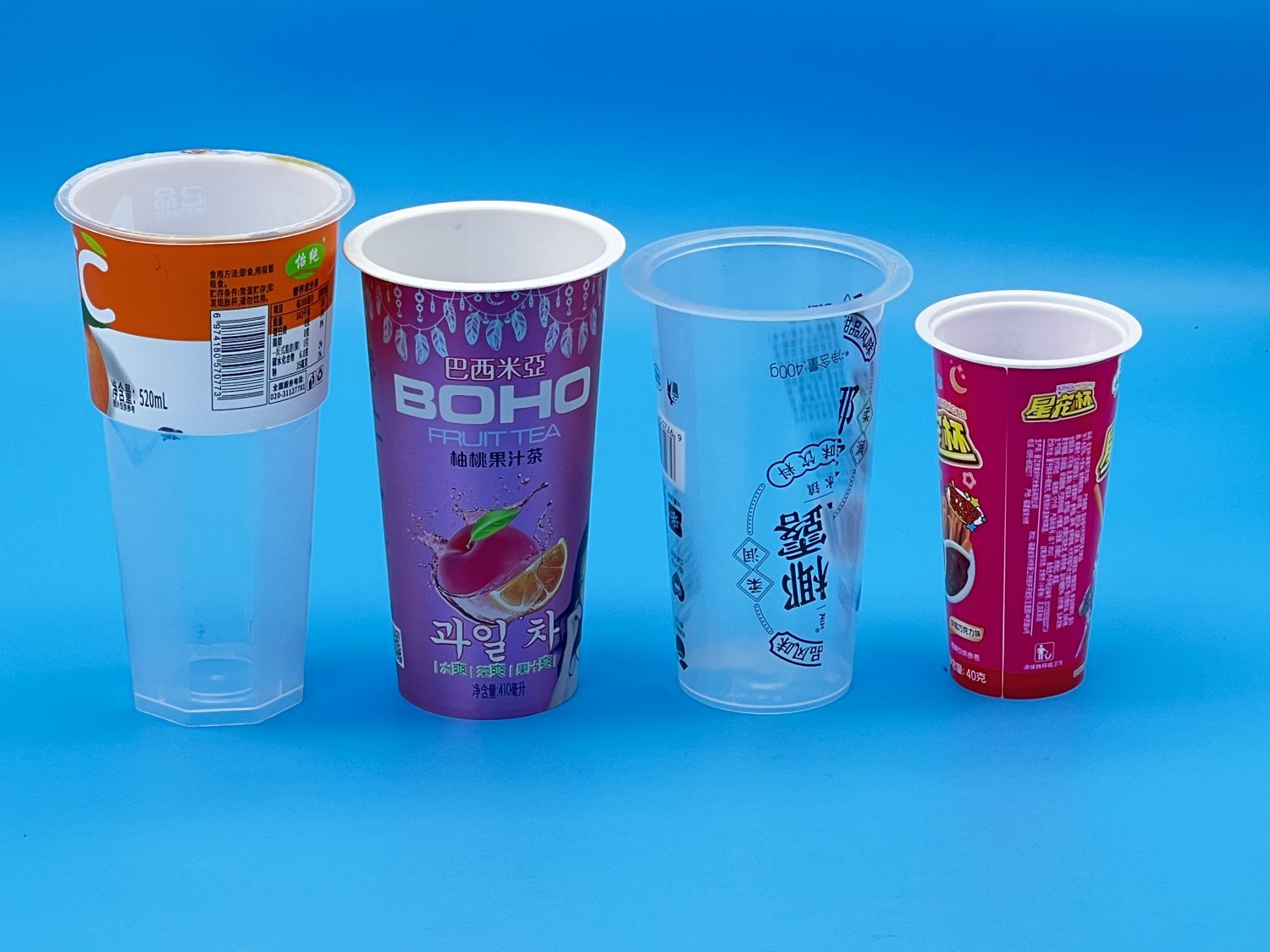
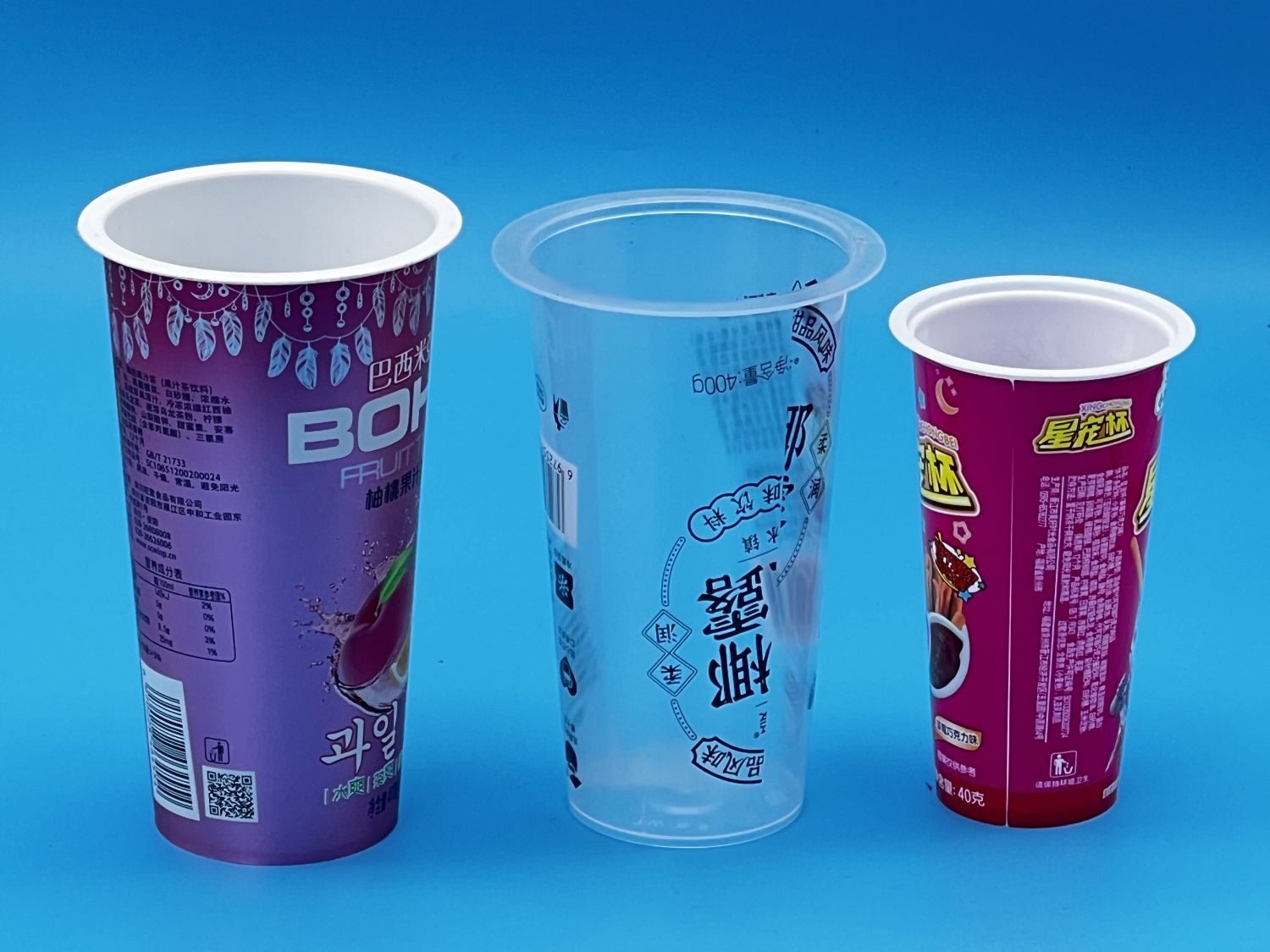
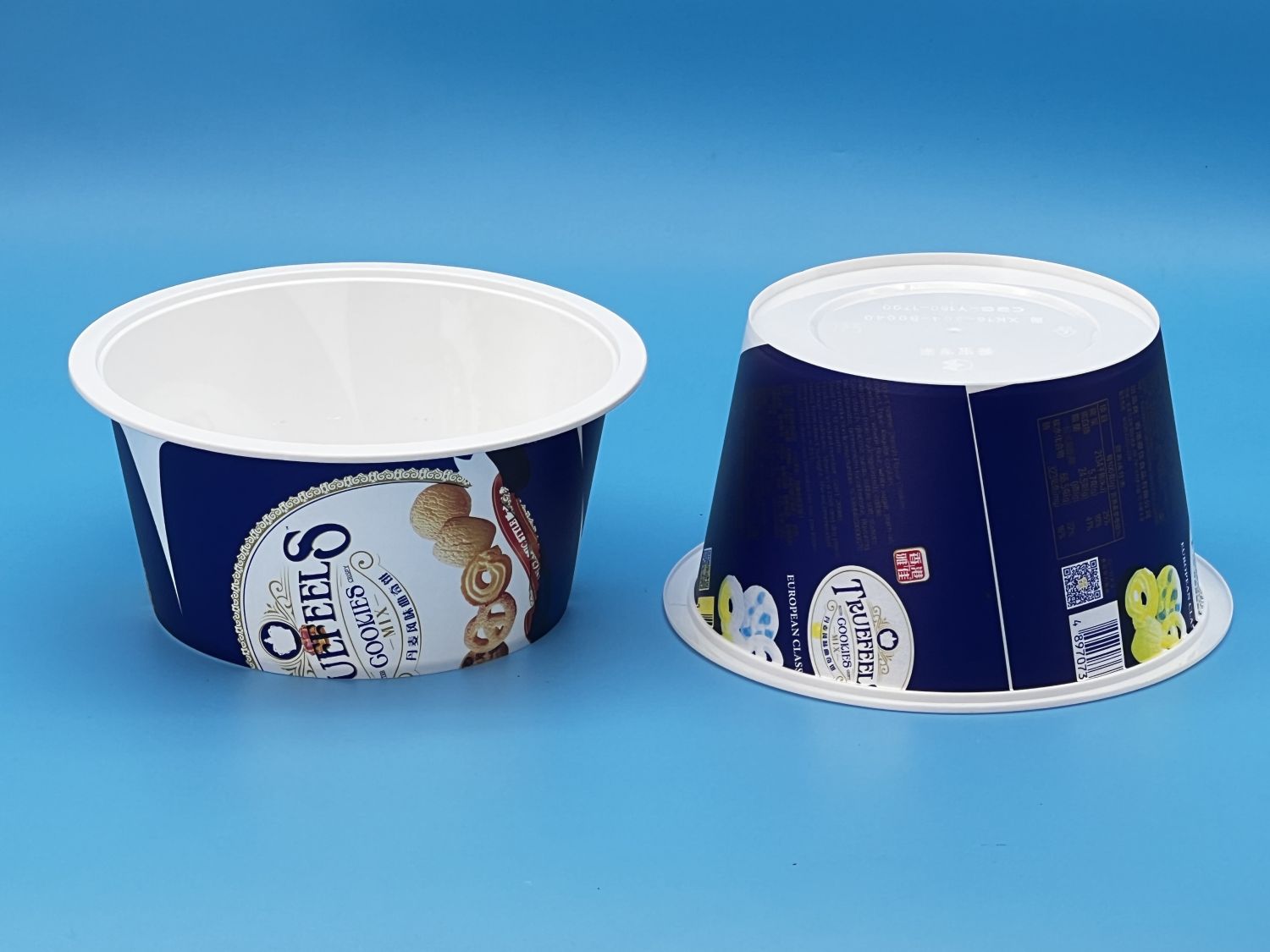
IML, or In-Mold Labeling, integrates the label directly into the injection molding process. Instead of applying a sticker after molding, the printed label is placed inside the mold cavity before injection. When molten plastic fills the cavity, the label fuses permanently with the cup wall.
The result is simple:
-
No peeling
-
No bubbling
-
No misalignment
-
A smooth, premium surface finish
For drink cups that are handled, chilled, and transported, this matters more than ever.
Why Premium Brands Are Moving Away from Traditional Labels
Traditional labeling works—but it has limitations.
Over time, external labels may:
-
Wrinkle in cold environments
-
Fade after moisture exposure
-
Peel during transport
-
Affect recycling separation
IML eliminates these issues entirely. The label becomes part of the cup itself, not an extra layer.
And let’s be honest, customers notice the difference. When a cup looks clean and seamless, it simply feels higher quality.
IML Works Especially Well with PP Drink Cups
As discussed in earlier articles comparing PP vs PS materials, PP is widely used for beverage cups because of its flexibility, heat resistance, and durability. IML pairs naturally with PP for several reasons:
1. Strong Label Bonding
PP allows the IML film to fuse evenly during injection, creating a long-lasting bond without additional adhesives.
2. Better Resistance to Condensation
Cold drinks create moisture. IML labels do not lift or bubble, even when condensation forms on the cup surface.
3. Improved Structural Integrity
IML cups often feel slightly more rigid due to the reinforced wall structure, which helps for larger drink sizes.
Sometimes the printed graphics looks slightly deeper in color due to light refraction through the plastic.
Why IML Is Ideal for Thin-Wall Premium Cups
Thin-wall injection molding is all about speed, consistency, and material efficiency. IML fits perfectly into this production logic.
Key advantages include:
-
No secondary labeling process
-
Shorter overall production cycles
-
Reduced labor costs
-
Consistent label placement across cavities
For high-volume beverage brands, this means faster output without sacrificing appearance.
Design Freedom: Where IML Really Shines
IML allows brands to:
-
Use full-wrap graphics
-
Achieve photo-quality printing
-
Apply matte, gloss, or textured effects
-
Maintain precise logo positioning
This level of control is hard to achieve with post-mold labeling. That’s why IML is now widely used in milk tea cups, yogurt cups, smoothie containers, and premium cold drink packaging.
If your brand relies on shelf impact or social media visuals, IML makes a real difference.
Mold Precision Is Critical for IML Success
While IML looks simple from the outside, the mold design behind it is highly technical.
An effective IML cup mold requires:
-
Precise label positioning systems
-
Balanced cavity pressure
-
Optimized cooling channels
-
High-polish cavity surfaces
-
Accurate wall thickness control
This is why choosing an experienced mold manufacturer is essential. IML molds demand tighter tolerances than standard PP or PS cup molds.
Is IML More Expensive? Yes—But Also Smarter
At first glance, IML tooling may cost more. However, when manufacturers consider:
-
Lower labeling labor
-
Reduced waste
-
Improved brand consistency
-
Higher perceived product value
IML often delivers better long-term ROI, especially for premium product lines.
So yeah, it might look like a bigger investment upfront, but it usually pays off faster than expected.
IML technology is becoming popular for premium drink cups because it solves multiple problems at once: branding, durability, efficiency, and aesthetics.
When combined with PP material, thin-wall injection design, and high-precision molds, IML offers a future-ready solution for beverage packaging manufacturers looking to stand out.
Recent Posts
Contact US
Product Information
Quantity
Unit
Piece
Support order samples, customization, wholesale direct, and complete payment. If the product you look for does not have corresponding customized content, pls fill out the form below to contact us, and we will reply ASAP.