
PP Food Containers with IML: Heat Resistance, Safety, and Durability Explained
2025-12-26
As disposable food packaging continues to evolve, manufacturers are under growing pressure to deliver containers that are safe, heat-resistant, durable, and visually appealing. This is exactly why PP food containers with IML (In-Mold Labeling) are becoming a preferred choice for many brands and packaging producers.
If you’ve already explored PP vs PS materials or learned how IML works for drink cups, this article naturally takes the discussion one step further—into real-world food container performance.
Why PP Is Widely Used for Food Containers
Polypropylene (PP) has long been considered one of the most reliable plastics for food-contact applications. Its popularity is not accidental.
PP offers:
-
High heat resistance compared to PS
-
Strong chemical stability
-
Good toughness with thin-wall designs
-
Compatibility with microwave reheating
For disposable food containers holding hot meals, soups, or oily foods, PP provides a solid foundation. When combined with IML, the performance advantages become even more noticeable.
How IML Enhances PP Food Container Performance
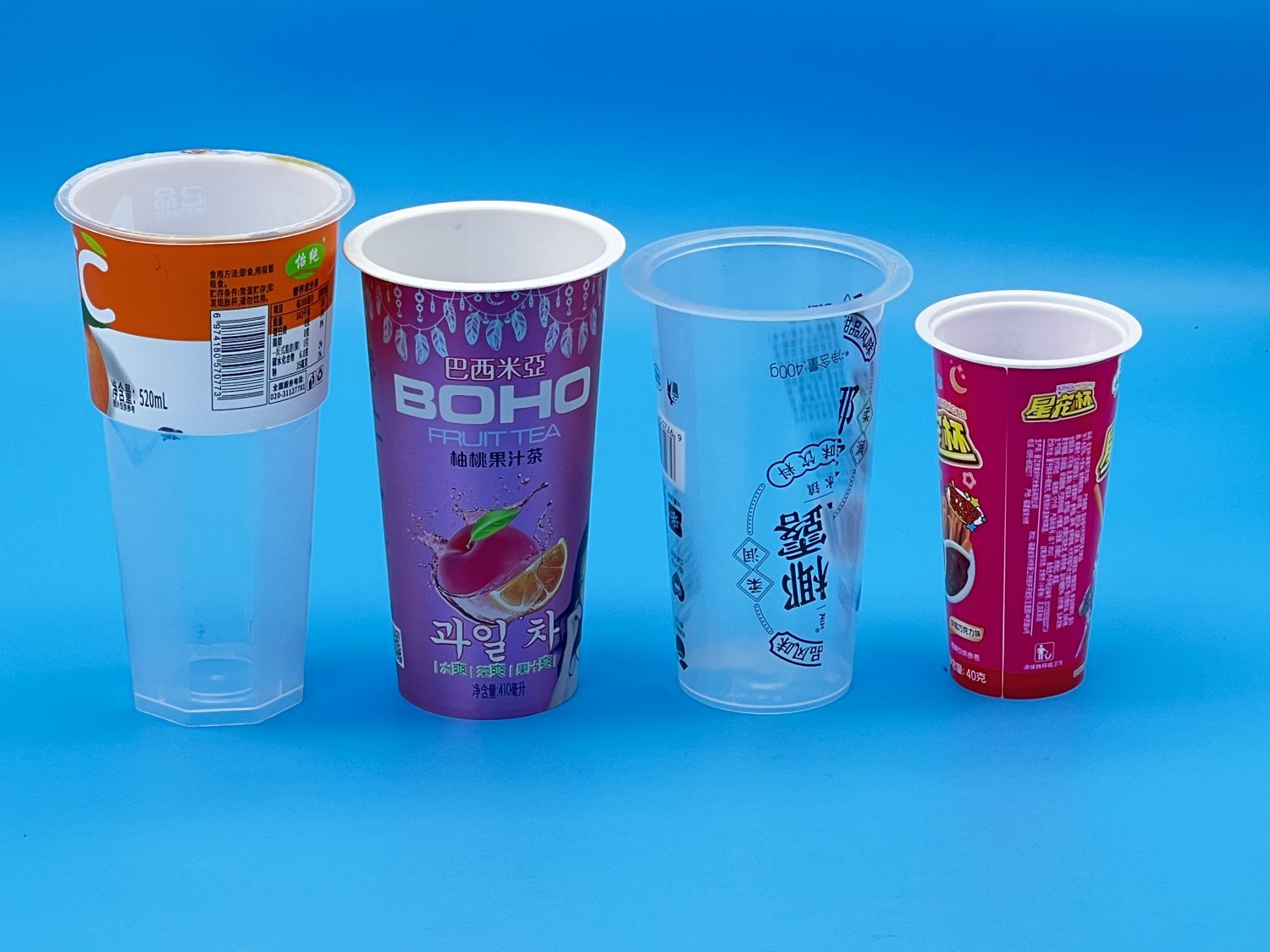
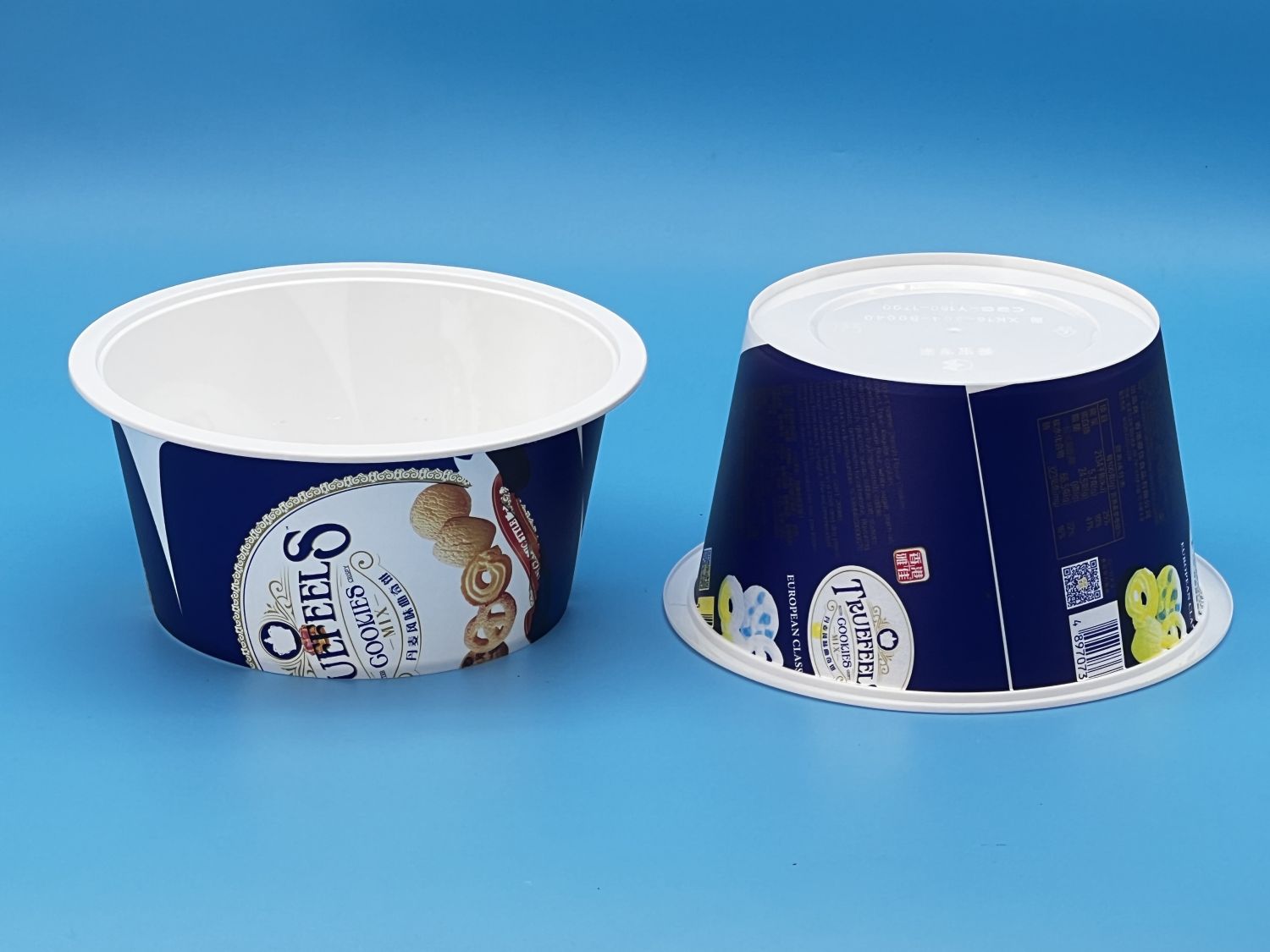
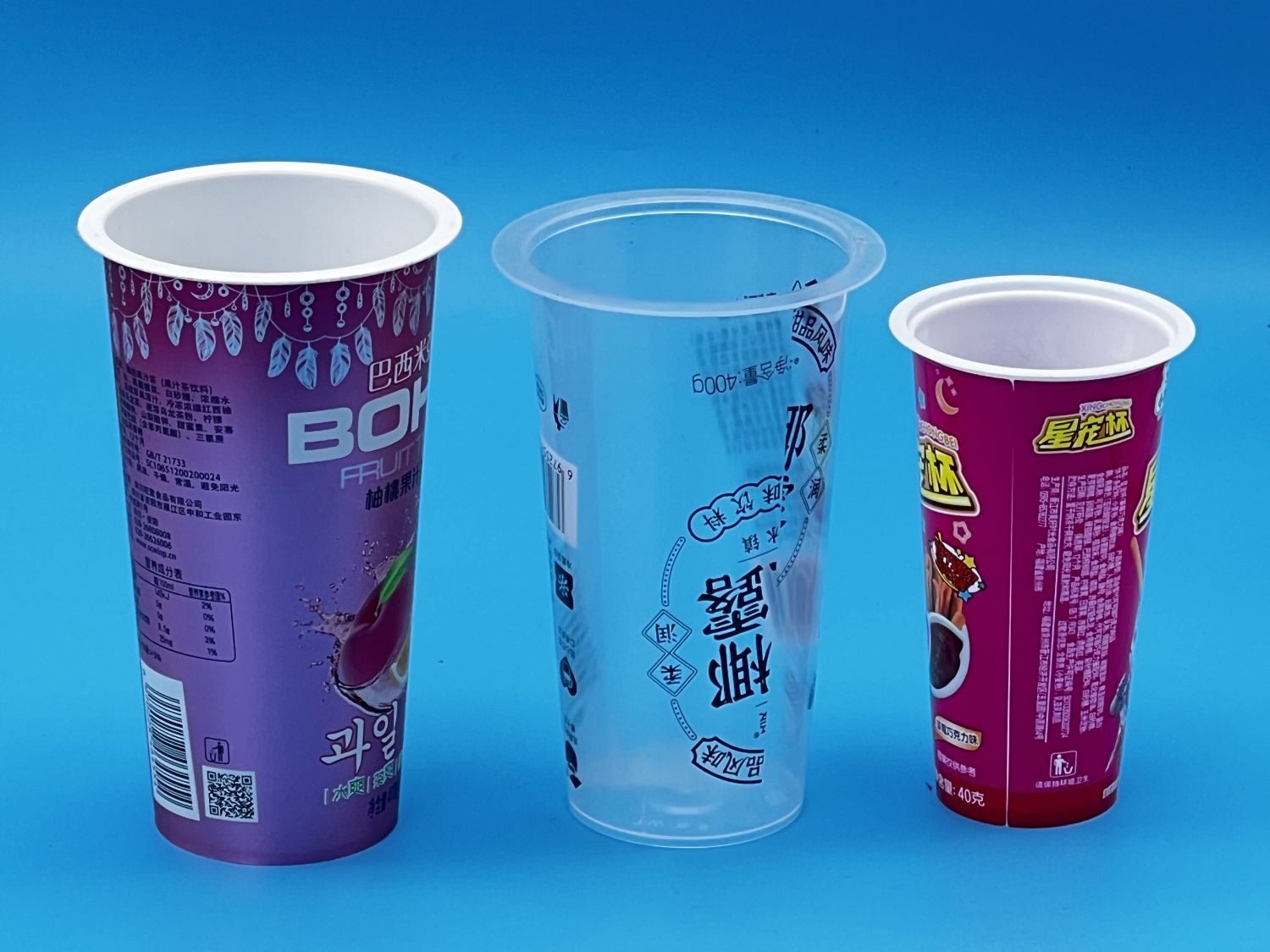
IML integrates the printed label directly into the molding process. Instead of applying a label after molding, the label fuses with the PP material during injection.
This leads to several key benefits.
1. Improved Heat Resistance in Real Use
PP alone can handle higher temperatures than PS, but surface labels often fail when exposed to heat or steam. With IML:
-
Labels do not blister or peel
-
Graphics remain stable during reheating
-
No adhesive softening occurs
This is especially important for takeaway containers used with hot rice, noodles, or ready meals.
Food Safety: Why PP + IML Is a Strong Combination
Food safety is not only about material choice—it’s also about what touches the food.
Traditional labels rely on adhesives, which may:
-
Degrade under heat
-
Be affected by oil or moisture
-
Raise concerns in sensitive food applications
IML eliminates these risks. The label becomes part of the container wall, creating a smooth, sealed surface. From a consumer perspective, this feels cleaner and more reliable.
And honestly, that peace of mind matters more than ever.
Durability During Transport and Storage
Disposable food containers must survive stacking, sealing, delivery, and handling. This is where PP IML containers stand out.
Mechanical Strength
PP offers better impact resistance than PS, especially in thin-wall designs. When paired with well-designed molds:
-
Containers resist cracking
-
Lids maintain a tight seal
-
Stacking deformation is reduced
Label Durability
Because the label is embedded:
-
Scratching is minimized
-
Moisture has no effect on adhesion
-
Oil stains do not lift the graphics
Sometimes customers worry that thin-wall containers feel weak, but good mold design changes that completely.
Design Flexibility for Branding and Information
IML allows full-wrap, high-resolution printing directly on PP containers. This supports:
-
Clear food labeling
-
Brand differentiation
-
QR codes and regulatory markings
-
Premium shelf appearance
Compared to plain PP containers, IML versions simply look more finished. As we discussed earlier in premium drink cup packaging, visual quality often influences purchasing decisions—even for disposable products.
Manufacturing Considerations for PP IML Food Containers
Producing reliable PP IML food containers requires:
-
Precise label placement systems
-
Balanced melt flow for uniform fusion
-
Optimized cooling channels for thicker bases
-
Accurate mold alignment
If the cooling design are not properly calculated, cycle times may increase and label positioning can become inconsistent.
This is why experienced mold manufacturers focus heavily on structural design and process stability, not just cavity shape.
Where PP IML Food Containers Are Commonly Used
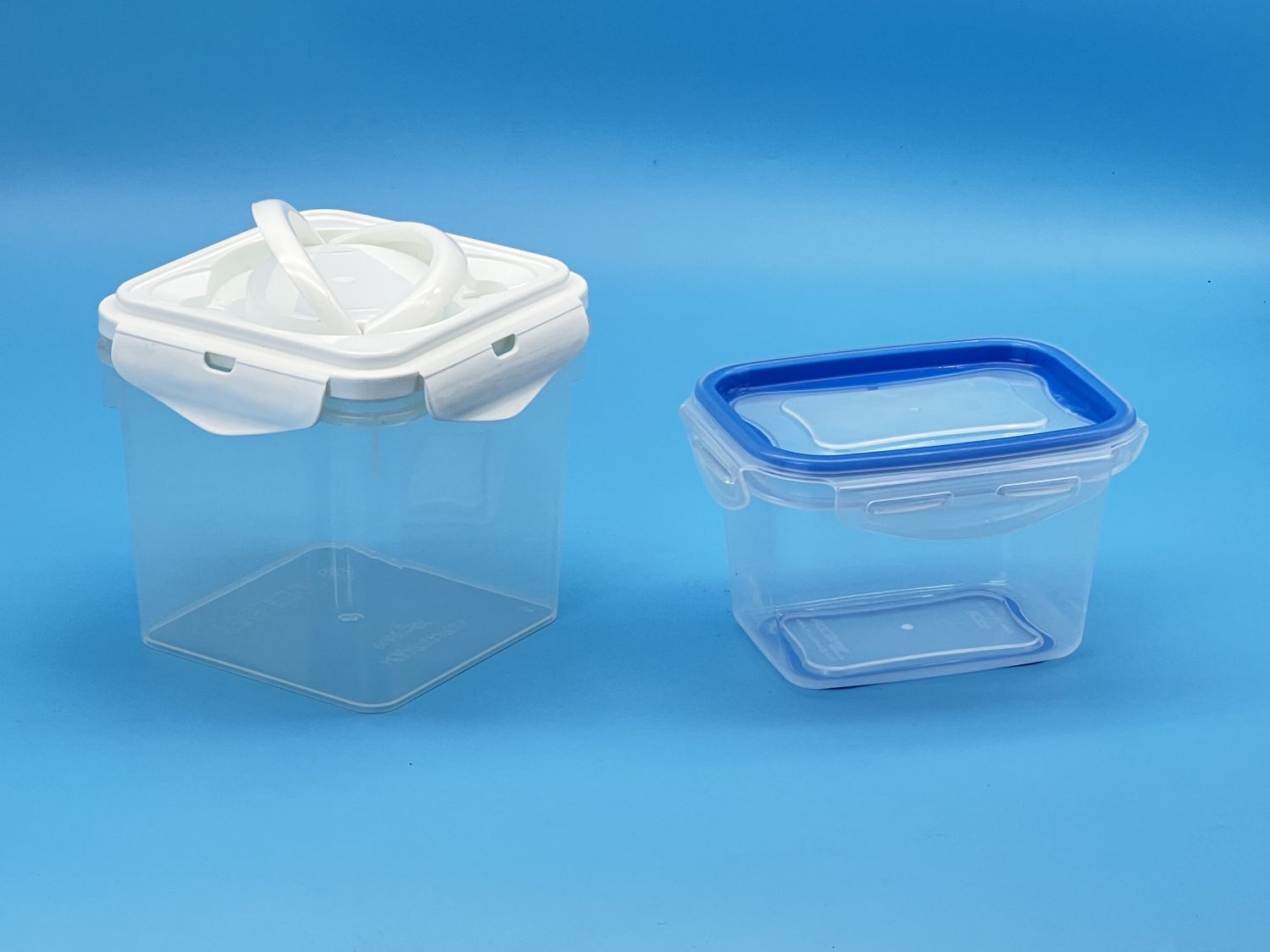
PP food containers with IML are widely applied in:
-
Takeaway meal boxes
-
Ready-to-eat food packaging
-
Microwave-safe containers
-
Dairy and dessert packaging
-
Premium disposable tableware
These applications connect directly with earlier discussions on thin-wall molds, PP material selection, and IML technology for drink cups.
Final Thoughts
PP food containers with IML combine material safety, heat resistance, durability, and visual impact into a single packaging solution. For manufacturers aiming to upgrade product quality while maintaining production efficiency, this combination makes practical sense.
If your packaging strategy already includes PP containers or IML drinkware, extending IML into food containers is a logical and proven step forward.
Recent Posts
Contact US
Product Information
Quantity
Unit
Piece
Support order samples, customization, wholesale direct, and complete payment. If the product you look for does not have corresponding customized content, pls fill out the form below to contact us, and we will reply ASAP.