
What Should You Consider Before Choosing a PS Mold for Disposable Drinkware?
2025-12-12
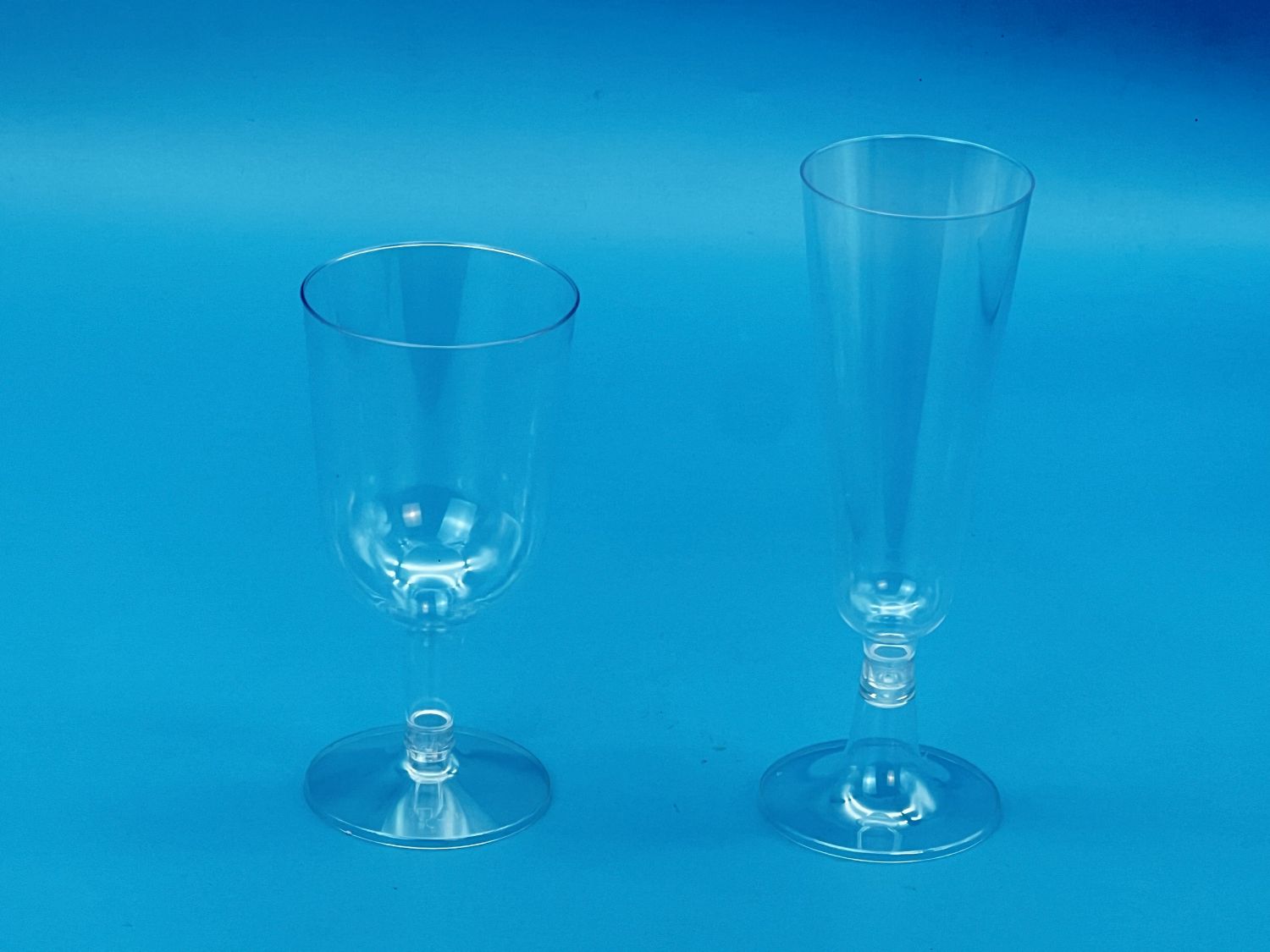
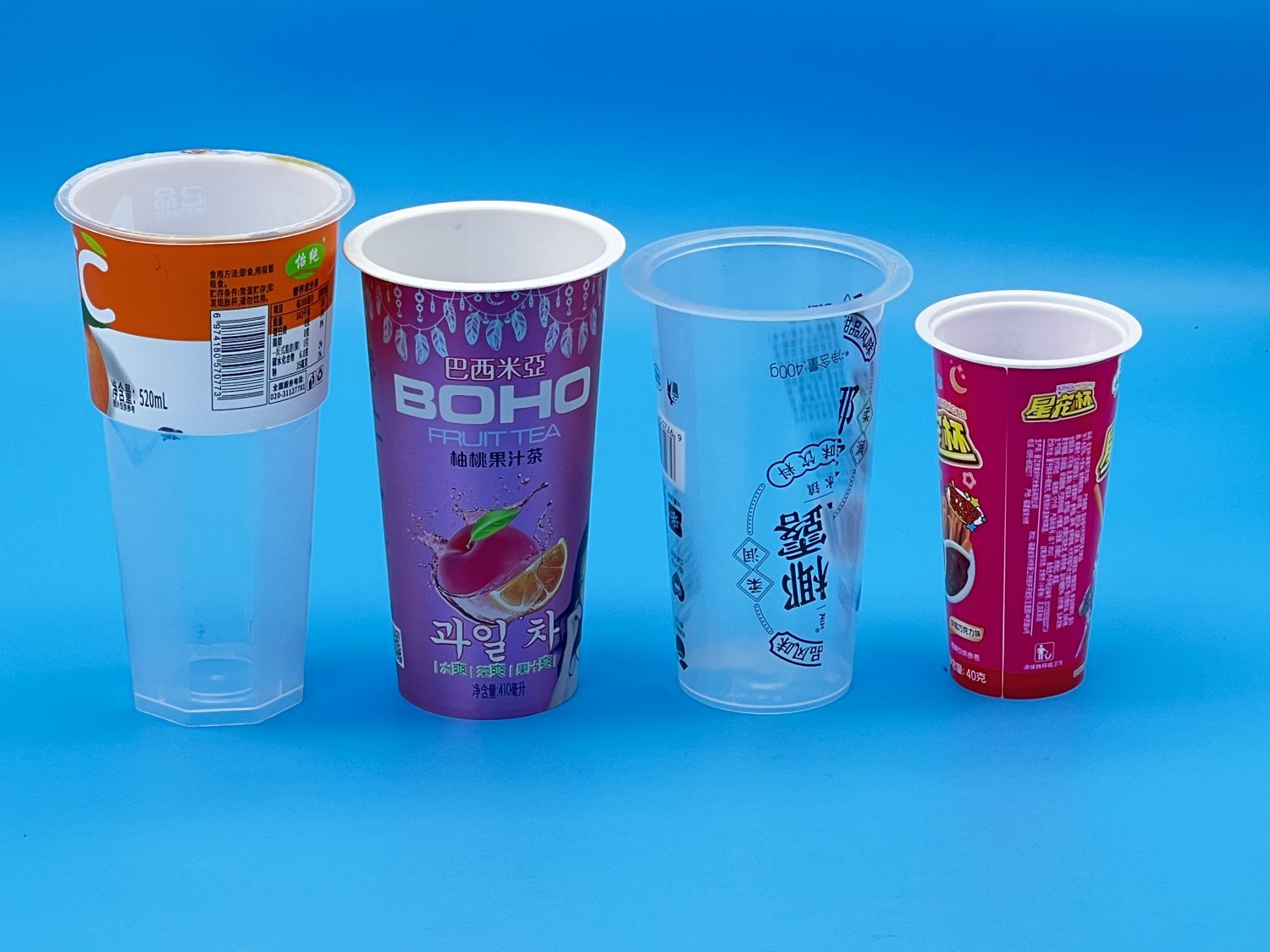
Disposable drinkware is a massive global market, especially for parties, catering services, event organizers, and food-service distributors. In earlier blogs, we compared PP vs. PS plastic molds, explored PS champagne flute molds, and discussed how thin-wall injection molds rely heavily on cooling efficiency. Today, we’ll go one layer deeper: What should you evaluate before selecting a PS mold specifically designed for disposable drinkware?
Whether you’re producing clear PS champagne flutes, transparent wine cups, or party tumblers, choosing the right mold is essential to achieving clarity, strength, and cost efficiency.
Why PS Is Still Widely Used for Disposable Drinkware
Many brands continue using PS because it delivers:
-
Crystal-clear transparency
-
A premium glass-like look
-
Low material cost
-
Fast molding cycles
Customers love that PS cups look elegant and upscale, especially compared with PP. And honestly, transparency is one of the biggest selling points.
But unlike PP, PS is more brittle—so your mold must compensate for this material behavior.
1. Transparency Requires Extremely Polished Cavities
If your drinkware needs that “glass-like shine,” cavity polishing quality is everything. The inner mold surface must be:
-
Mirror-finished
-
Scratch-free
-
Consistent across all cavities
Even tiny imperfections become visible because PS is naturally hard and transparent.
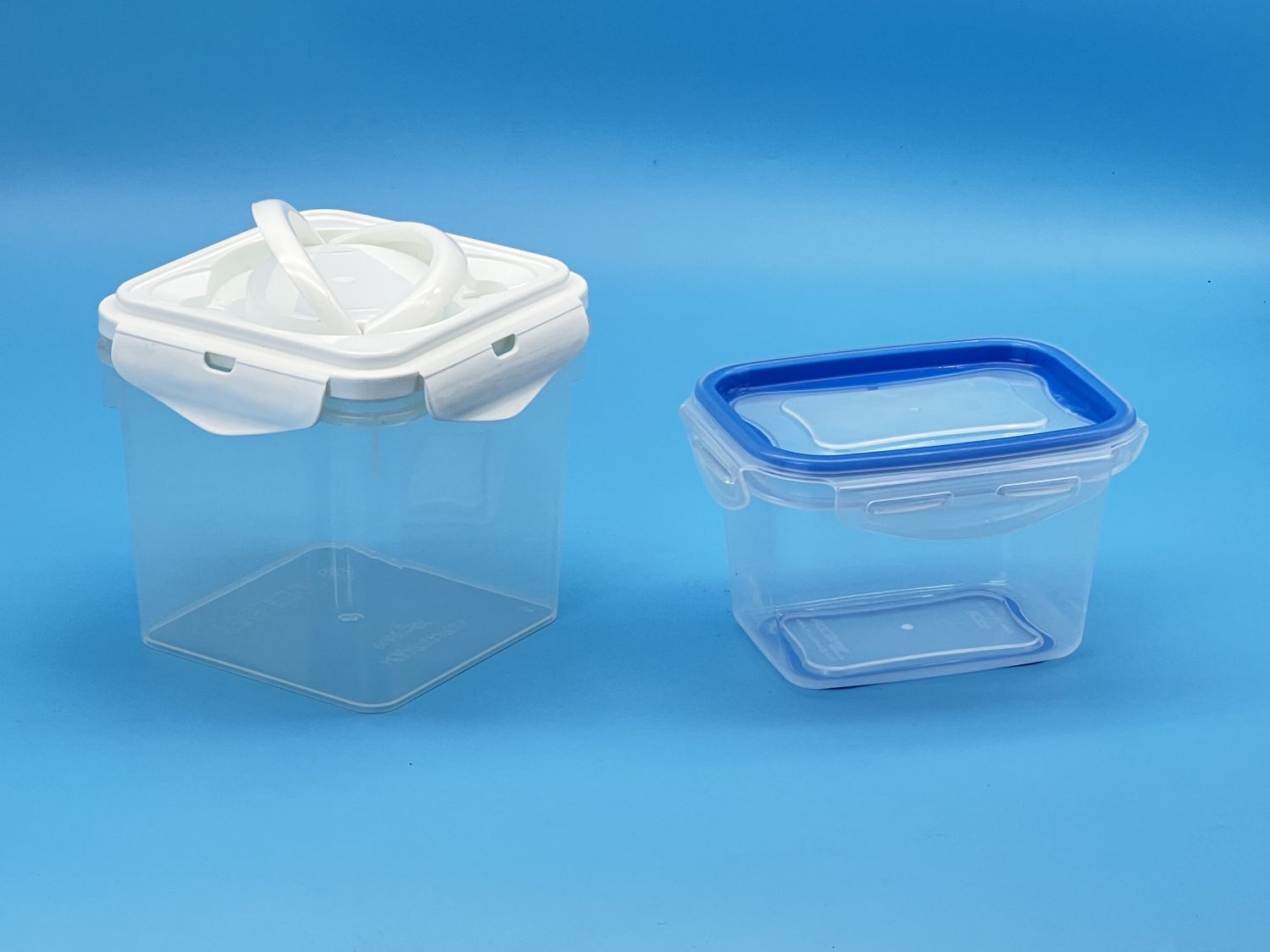
Compared with PP containers we discussed in a previous article, PS transparency demands far more precision.
2. Cooling Design Determines Your Production Speed
PS cools faster than PP, which is great for productivity. However, thin-wall PS drinkware requires:
-
Dense cooling channels
-
Short mold-to-mold distances
-
Balanced thermal flow
Without efficient cooling, the cup walls may warp or lose clarity. And when the cycle time becomes unstable, your production cost goes up quickly. It’s pretty frustrating when that happens.
3. Wall Thickness Needs to Be Extremely Consistent
PS doesn’t stretch as well as PP, meaning that uneven flow leads to weak spots. Before choosing a mold, confirm that:
-
The gate position is optimized
-
Flow balance simulations were performed
-
The cavity design ensures even material distribution
Sometimes the wall thickness of poorly designed PS cups end up slightly uneven, which affects both durability and visual quality.
In contrast, PP molds allow for a bit more variation—but PS is less forgiving.
4. Ejector Design Matters More Than Most People Realize
Because PS is brittle, a standard ejector setup may cause:
-
Cracks
-
Micro-scratches
-
Stress marks around the base or rim
Professional mold makers use:
-
Air ejection zones
-
Polished ejector pins
-
Carefully positioned ejector pads
This ensures the cup releases cleanly without defects. If you read our earlier article on cooling efficiency in thin-wall molds, you’ll see how mold release also impacts cycle time.
5. Multi-Cavity Options for High-Volume Drinkware Production
If your business sells millions of cups per year, choosing a multi-cavity PS drinkware mold is the most cost-efficient path. A well-designed mold may include:
-
16 cavities
-
24 cavities
-
32 cavities
The important part is ensuring every cavity performs consistently. With low-quality molds, cavities behave differently and cause rejection rates to spike—which nobody wants.
Choosing the right PS disposable drinkware mold requires evaluating more than just the price. Transparency, cooling, ejection, and structural design all play major roles in achieving the premium “crystal-clear” finish customers expect.
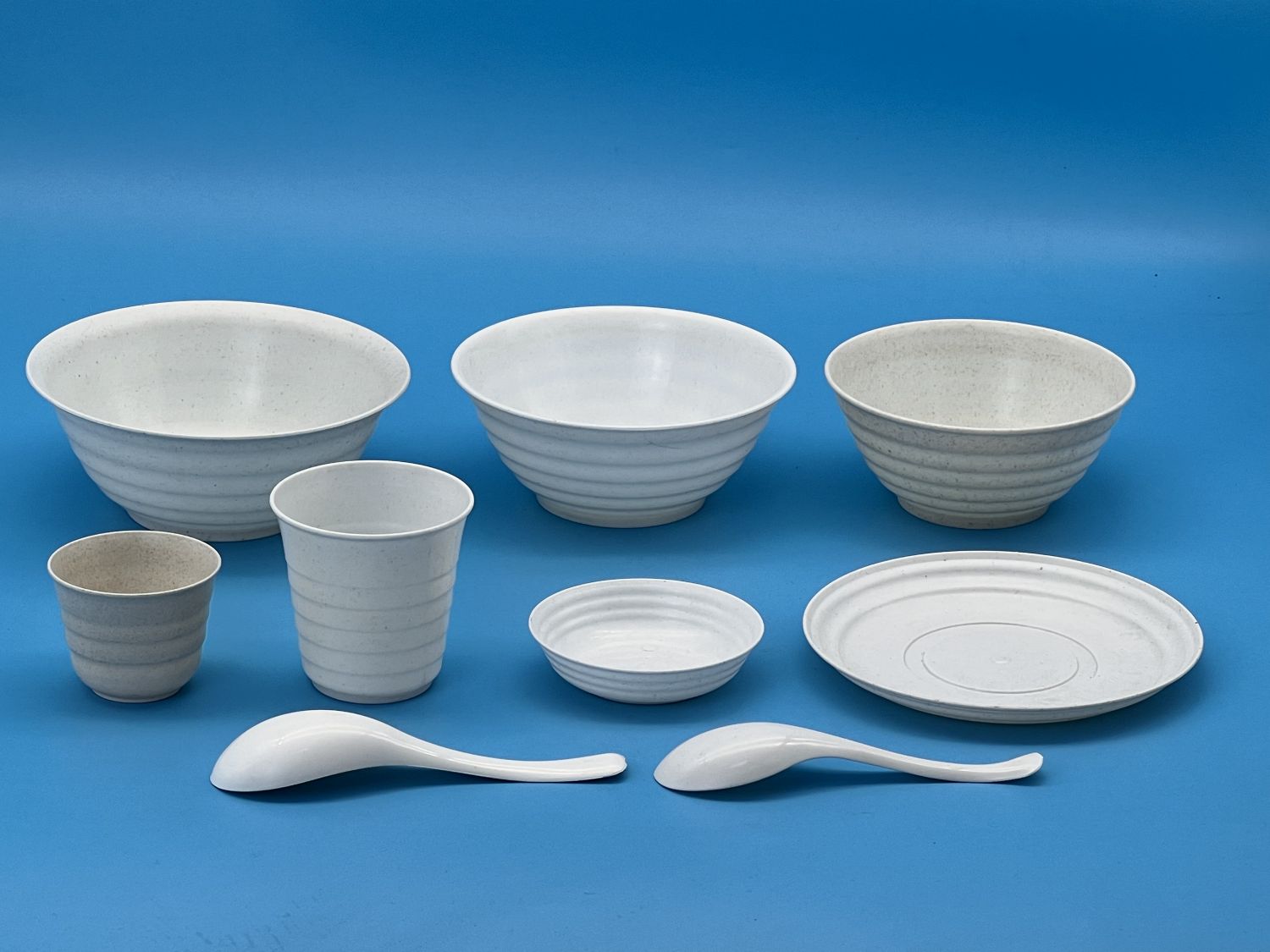
If you’re still comparing materials, feel free to revisit our blogs on PP vs. PS molds or our guide to rice husk alternatives. Each article connects to help you build a clearer picture of what mold fits your product best.
Recent Posts
Contact US
Product Information
Quantity
Unit
Piece
Support order samples, customization, wholesale direct, and complete payment. If the product you look for does not have corresponding customized content, pls fill out the form below to contact us, and we will reply ASAP.