
Can IML Be Used for Disposable Food Containers Beyond Drink Cups?
2025-12-19
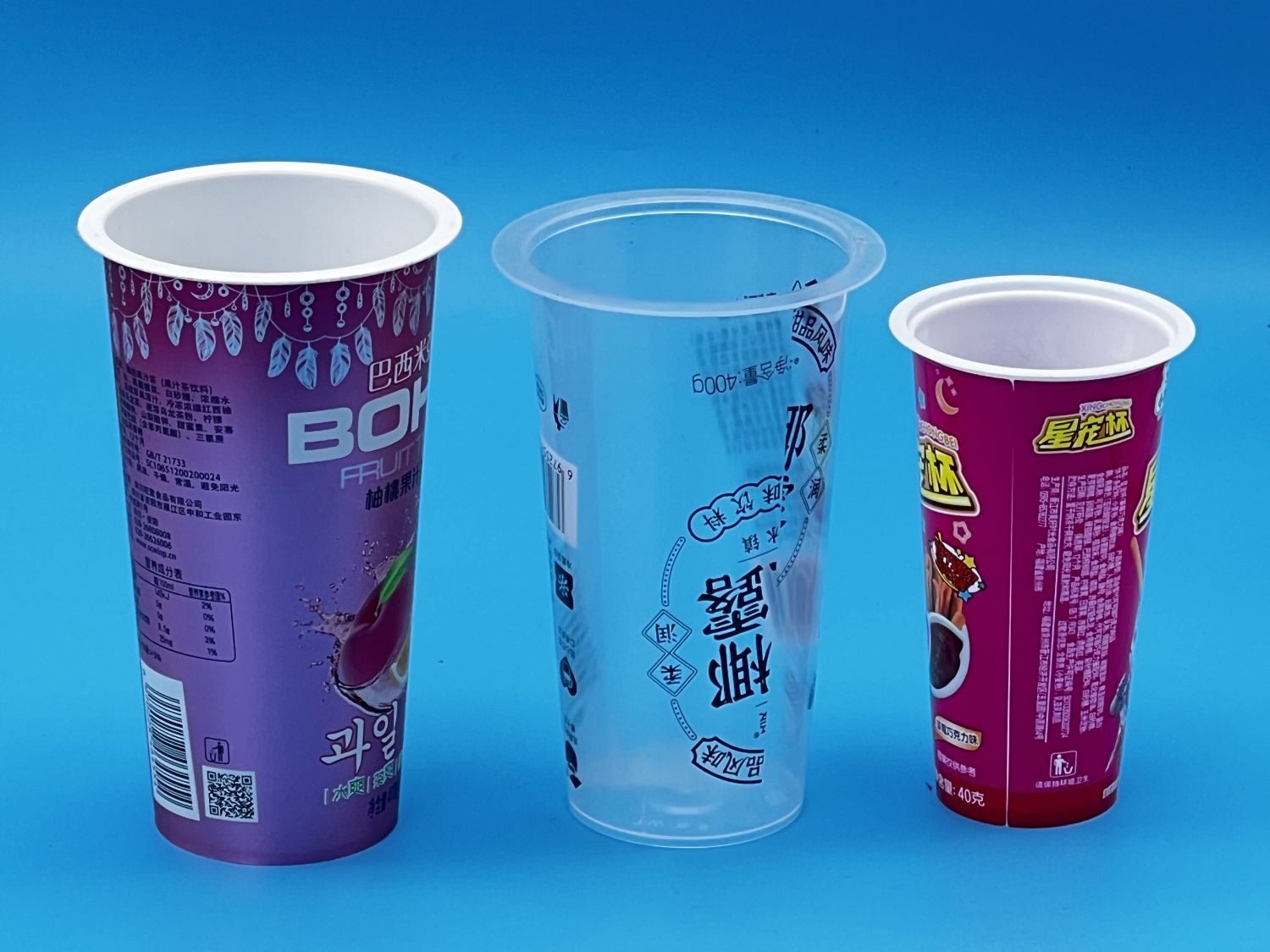
When most manufacturers hear IML (In-Mold Labeling), they immediately think of premium drink cups. And that makes sense—IML has become a popular solution for milk tea cups, coffee cups, and cold beverage packaging.
But a common question we hear from buyers and product managers is:
Can IML also be used for disposable food containers beyond drink cups?
The short answer is yes.
The longer answer is worth exploring.
Why This Question Matters for Food Packaging Manufacturers
Disposable food containers face a different set of challenges compared to drink cups. They must handle:
-
Heat from hot meals
-
Oil and sauce contact
-
Stacking and transportation pressure
-
Microwave or reheating scenarios
-
Clear food labeling and branding
If IML can perform well under these conditions, it becomes a powerful upgrade—not just a design feature.
How IML Works in Food Container Applications
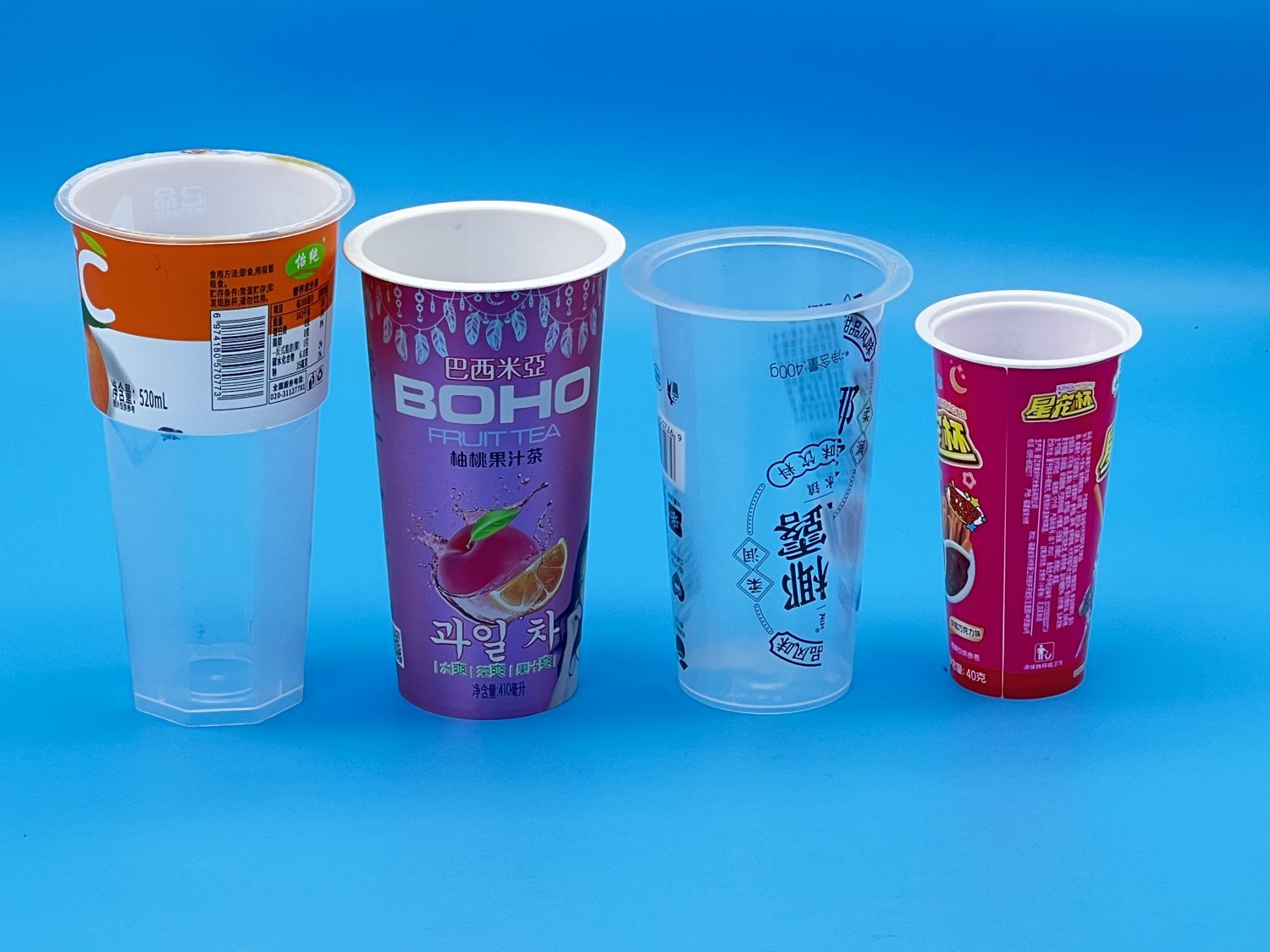
Just like with drink cups, IML for food containers involves placing a printed label inside the mold cavity before injection. The label bonds directly with the molten plastic during molding, becoming part of the container wall.
This approach eliminates:
-
Glue-based labels
-
Post-molding labeling steps
-
Peeling or wrinkling issues
For food containers that encounter moisture, grease, or temperature changes, this is a big advantage.
Which Disposable Food Containers Can Use IML?
IML is already widely applied across several disposable food packaging categories.
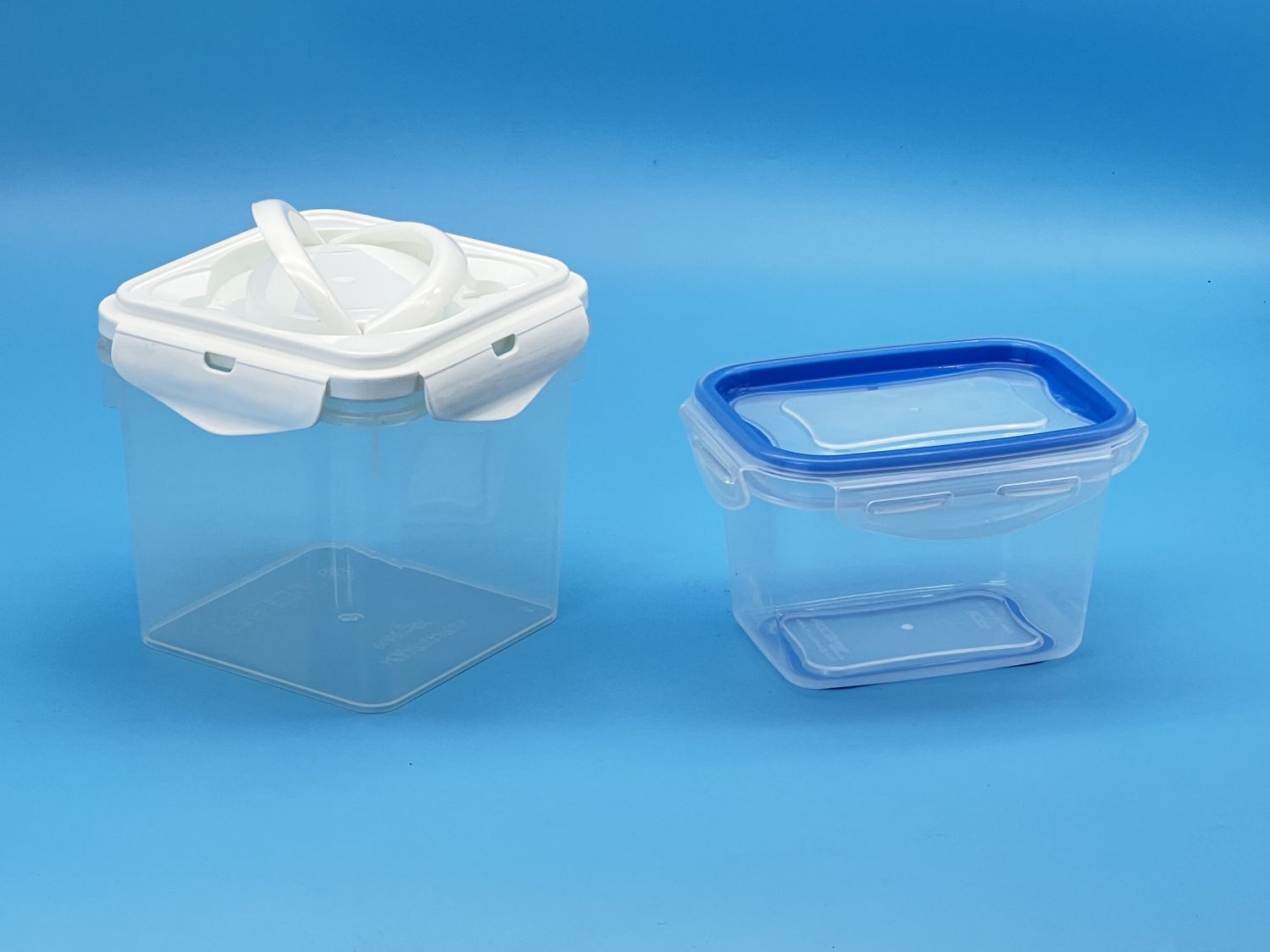
1. PP Food Storage Containers
IML works especially well with PP containers, which we’ve discussed previously when comparing PP vs PS materials.
Benefits include:
-
High heat resistance
-
Oil and moisture tolerance
-
Stable label adhesion
-
Suitable for microwave-safe designs
This makes IML ideal for takeaway meals, ready-to-eat foods, and reusable-style disposable containers.
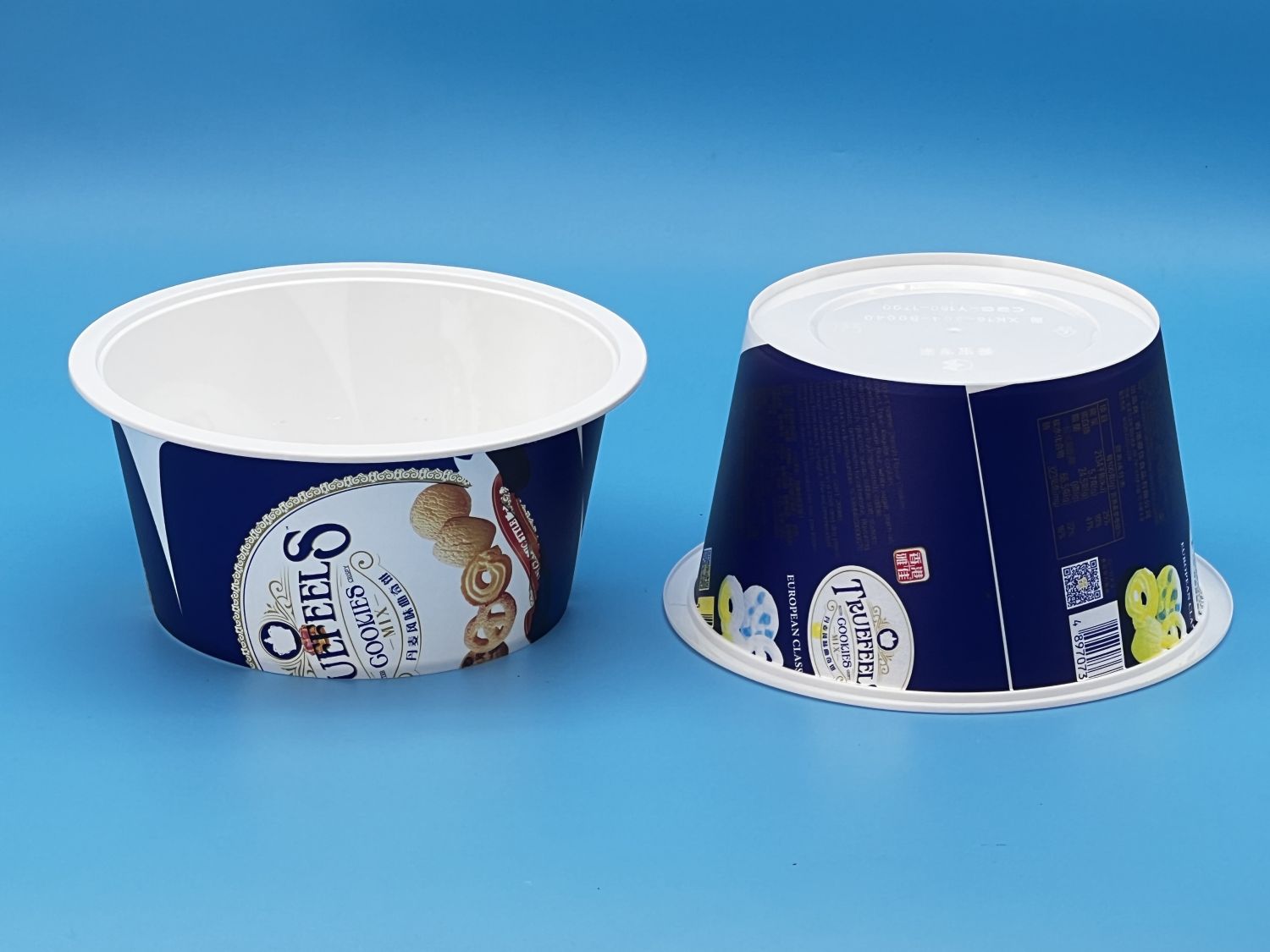
2. Yogurt, Dessert, and Dairy Cups
IML has been used in dairy packaging for years. The technology allows:
-
Full-wrap branding
-
Clean, premium shelf appearance
-
Strong resistance to condensation
This is why yogurt and pudding containers often look more refined than standard disposable cups.
3. Thin-Wall Food Containers
For high-volume food packaging, thin-wall IML containers reduce material usage while maintaining strength and appearance.
As we explained in earlier thin-wall mold articles, faster cycle times and precise cooling are critical—and IML fits seamlessly into this production model.
4. Multi-Compartment Meal Trays
Yes, even compartment trays can use IML, although mold design becomes more complex. Label placement systems must be extremely accurate to ensure alignment across sections.
Sometimes the label position are slightly adjusted to fit structural ribs inside the container.
What Are the Real Advantages of IML for Food Containers?
1. Improved Food Safety Perception
Because the label is sealed inside the container wall, there’s no adhesive exposed to food contact. This improves consumer confidence and helps brands communicate hygiene and quality.
2. Better Resistance to Oil and Heat
Unlike surface labels, IML graphics won’t lift or fade when exposed to:
-
Hot food
-
Oil-based sauces
-
Steam
-
Freezer-to-microwave transitions
3. Stronger Brand Identity
Food containers often compete visually on shelves or delivery platforms. IML allows high-definition printing, consistent colors, and precise logo placement.
And let’s be honest—it just looks better.
Are There Limitations to IML for Food Containers?
IML is powerful, but it’s not a one-size-fits-all solution.
Potential limitations include:
-
Higher initial mold cost
-
More complex mold design
-
Longer mold development time
-
Not ideal for very low-volume SKUs
That said, for medium- to high-volume production, IML often delivers better long-term value by reducing secondary processes and improving product consistency.
The Role of Mold Design in IML Food Containers
IML food container molds require:
-
Precise label holding systems
-
Balanced flow paths
-
Optimized cooling for thicker bases
-
Smooth cavity surfaces for clean fusion
This is where experienced mold manufacturers make a difference. A well-designed IML mold ensures stable production, low scrap rates, and long mold life.
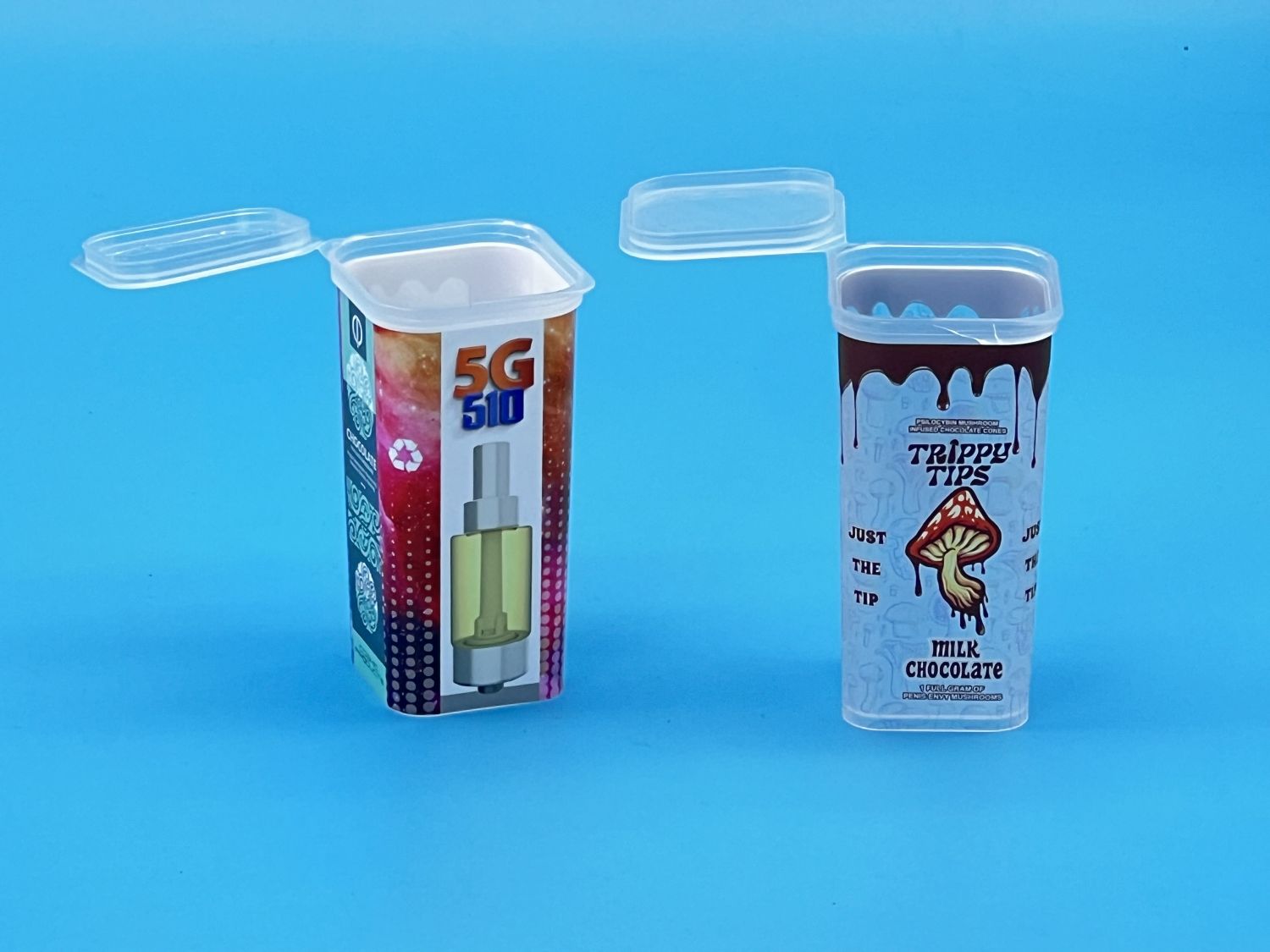
IML is no longer limited to drink cups. Today, it’s widely used—and increasingly preferred—for disposable food containers, including PP food boxes, dairy cups, thin-wall meal containers, and premium takeaway packaging.
If your product strategy focuses on quality, branding, and efficiency, IML is absolutely worth considering beyond beverage applications.
If you’ve already explored IML drink cups or PP food container molds, this technology is the natural next step in your packaging upgrade.
Recent Posts
Contact US
Product Information
Quantity
Unit
Piece
Support order samples, customization, wholesale direct, and complete payment. If the product you look for does not have corresponding customized content, pls fill out the form below to contact us, and we will reply ASAP.