
Can Rice Husk Molds Replace Traditional Plastic Food Containers?
2025-12-26
As sustainability becomes a major concern in food packaging, more manufacturers and brand owners are asking an important question:
Can rice husk molds realistically replace traditional plastic food containers?
Rice husk–based packaging has gained attention as an eco-friendly alternative, especially in disposable food applications. But replacing plastic is not just about environmental appeal—it also involves performance, safety, cost, and manufacturing feasibility. Let’s take a practical look at where rice husk molds stand today.
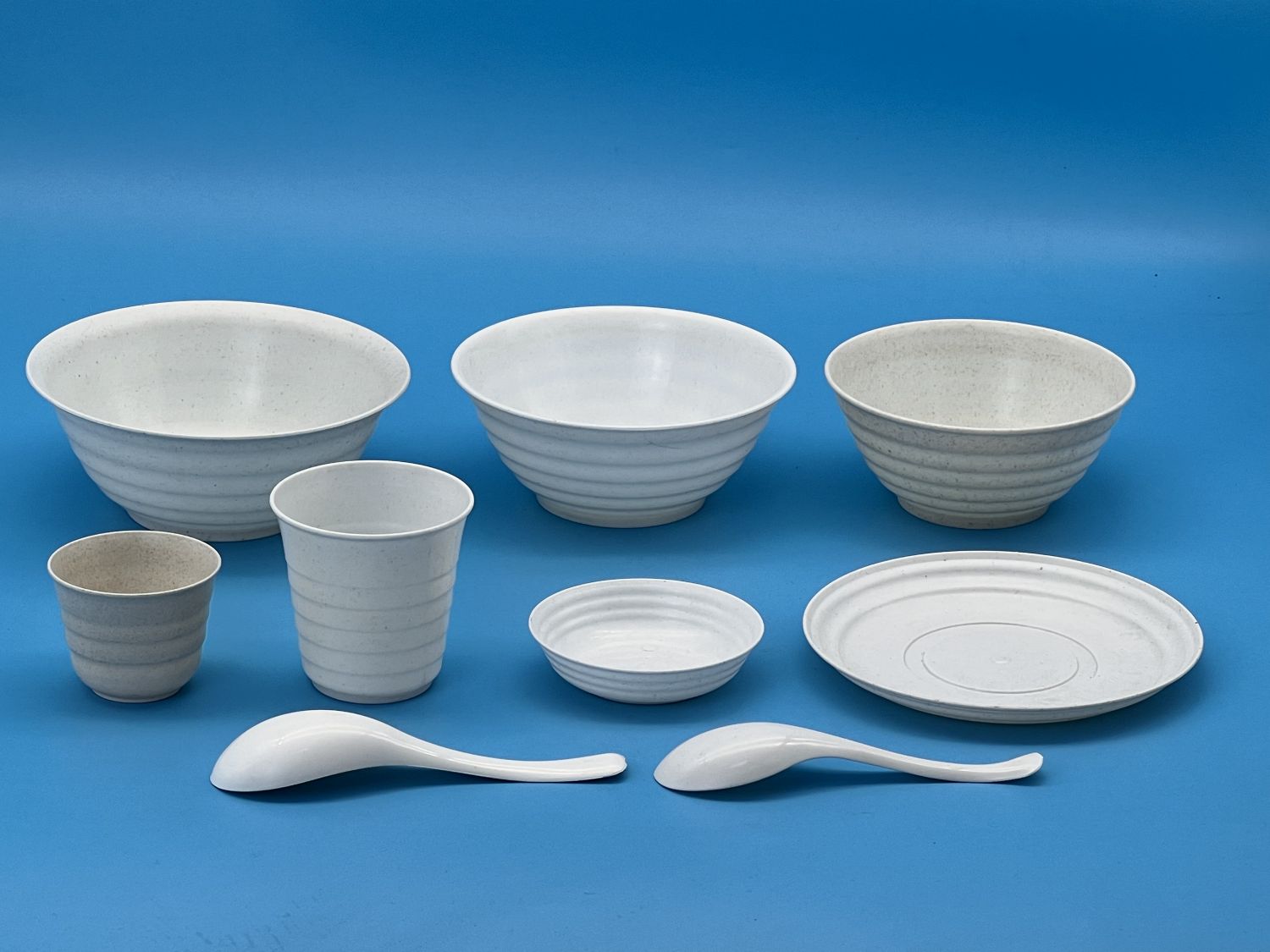
What Are Rice Husk Food Containers?
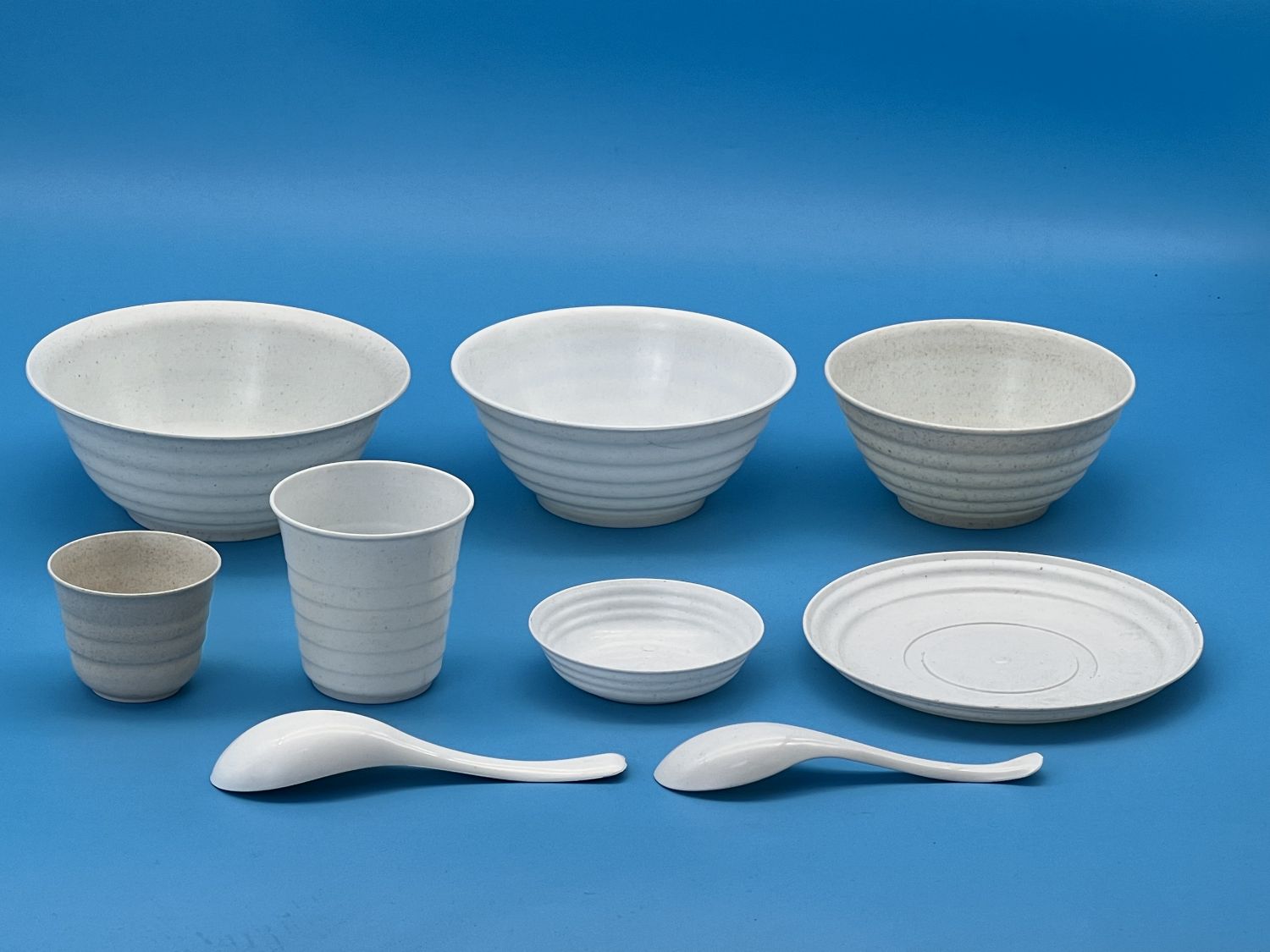
Rice husk containers are typically made from agricultural waste fibers combined with binders and molded into food packaging shapes. Instead of petroleum-based plastics, they rely on renewable raw materials.
From a sustainability perspective, this sounds great. Rice husk materials are:
-
Biodegradable or compostable
-
Derived from agricultural by-products
-
Lower in carbon footprint than traditional plastics
However, material origin alone does not determine whether they can fully replace plastic containers.
Heat Resistance: How Do Rice Husk Containers Perform?
Heat resistance is one of the first concerns for food packaging.
Rice husk containers generally handle:
-
Warm foods
-
Short-term heat exposure
-
Dry or semi-dry meals
But compared to PP plastic food containers, rice husk materials have limitations:
-
They may deform under high temperatures
-
Long exposure to hot liquids can weaken structure
-
Microwave performance is often inconsistent
This means rice husk packaging works better for light meals, bakery items, or short-use scenarios, rather than hot soups or microwave-ready foods.
Food Safety and Consumer Perception
Food safety is another critical factor.
Rice husk containers are usually marketed as “natural” or “eco-friendly,” which resonates well with environmentally conscious consumers. When properly manufactured, they can meet food-contact standards.
That said, manufacturers must carefully control:
-
Fiber processing quality
-
Binder composition
-
Mold cleanliness and consistency
If the formulation are not stable, odor or surface texture issues may occur, affecting consumer experience.
In contrast, PP plastic molds offer long-established food safety performance, especially for high-volume applications.
Durability and Practical Use
Disposable food containers need to survive handling, stacking, and transport. This is where rice husk containers face some challenges.
Strength and Moisture Resistance
Rice husk packaging:
-
Is more sensitive to moisture
-
Can soften with oily or wet foods
-
Has lower impact resistance than PP
For dine-in or short takeaway use, this may be acceptable. But for delivery-heavy food services, durability still matters a lot.
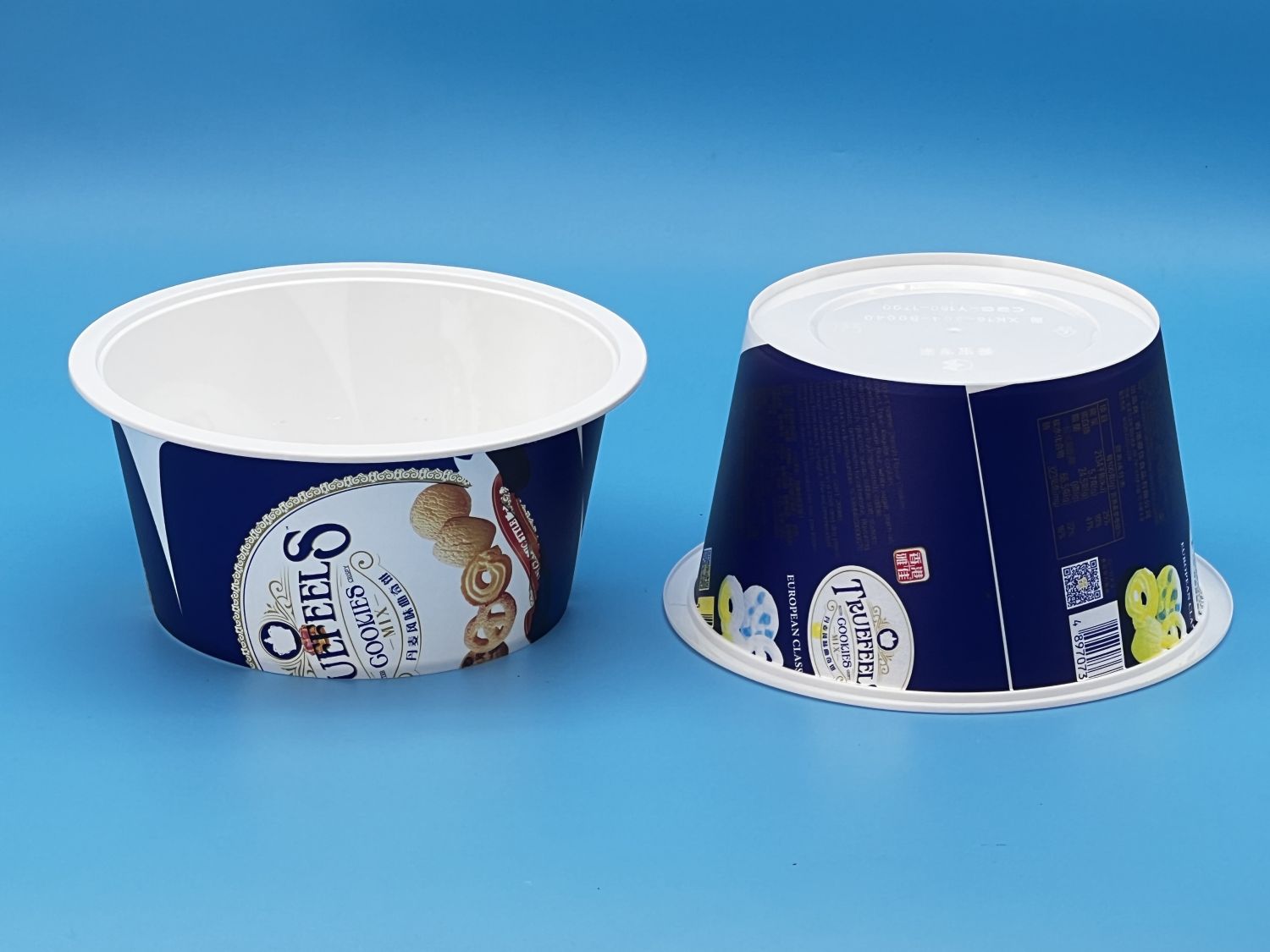
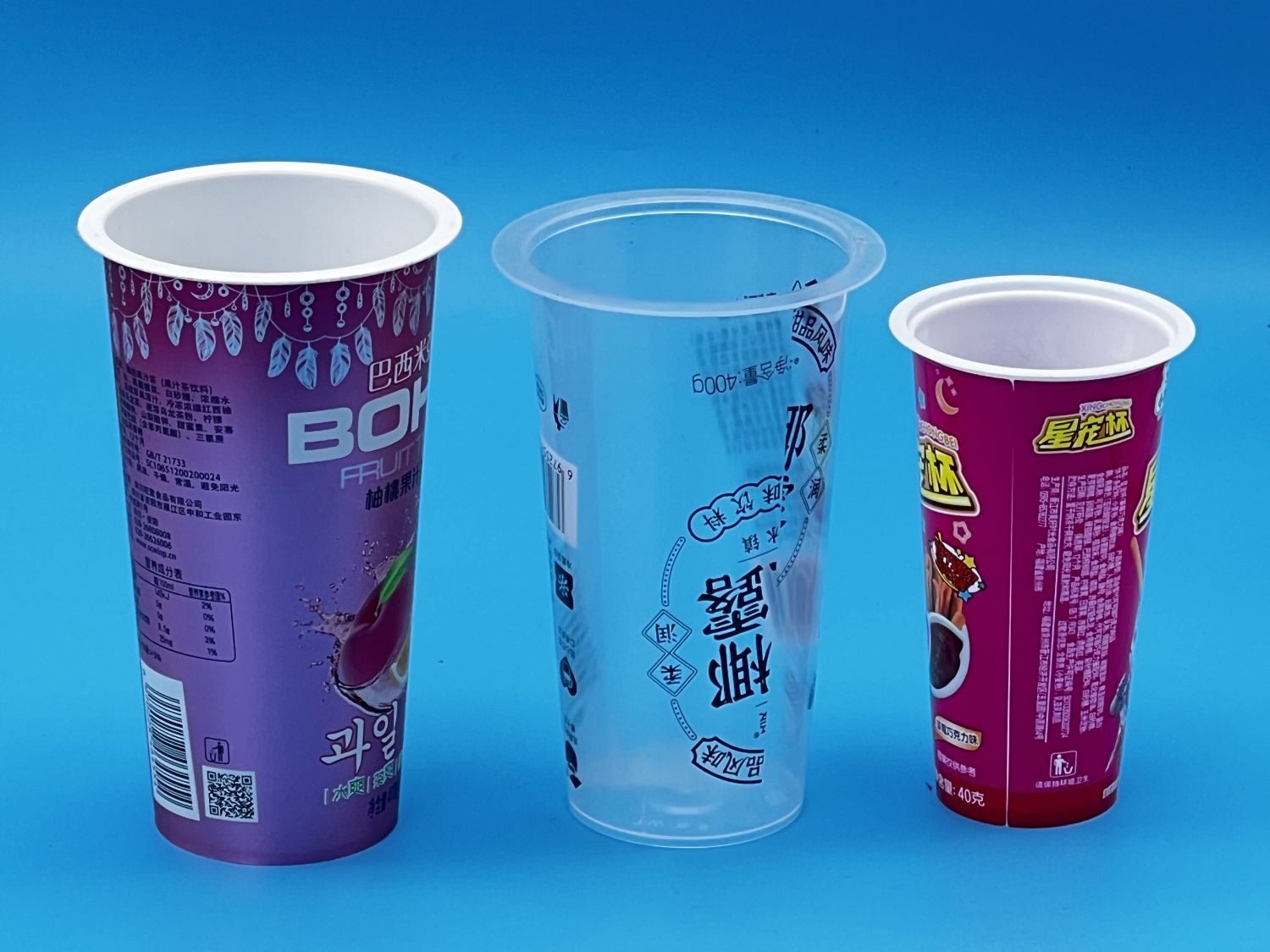
As we discussed earlier in PP food containers with IML, plastic remains stronger under real-world logistics conditions.
Manufacturing and Mold Considerations
From a mold-making perspective, rice husk containers require different tooling approaches compared to injection molds.
Rice husk molds often involve:
-
Compression or thermoforming-style processes
-
Lower production speed
-
Less complex cavity detailing
Plastic injection molds, especially thin-wall molds and IML molds, support:
-
High-speed mass production
-
Precise dimensions
-
Advanced branding and labeling
So while rice husk molds can reduce material impact, they usually cannot match plastic molds in output efficiency.
Cost: Is Rice Husk Packaging More Economical?
This depends on scale and application.
Rice husk containers:
-
May reduce raw material cost in some regions
-
Often have higher processing and labor costs
-
Require thicker walls to maintain strength
Plastic containers benefit from:
-
Mature supply chains
-
Faster cycle times
-
Lower per-unit cost at scale
For large-volume food packaging, plastic still wins on cost consistency. For niche eco-focused brands, rice husk may justify the premium.
Can Rice Husk Fully Replace Plastic Food Containers?
The honest answer is: not entirely—at least not yet.
Rice husk molds are best suited for:
-
Eco-friendly takeaway packaging
-
Dry or low-moisture foods
-
Short-term use containers
-
Brands prioritizing sustainability messaging
Traditional plastic containers, especially PP with IML, remain the better choice for:
-
Hot and liquid foods
-
Microwave use
-
Long transport and storage
-
High-speed mass production
In reality, many manufacturers are adopting a mixed packaging strategy, using both materials depending on application.
Final Thoughts
Rice husk molds are not just a trend—they represent a meaningful step toward sustainable food packaging. However, replacing traditional plastic food containers requires balancing performance, safety, cost, and production efficiency.
For now, rice husk containers complement plastic packaging rather than fully replace it. Understanding where each material performs best allows manufacturers to make smarter, more flexible packaging decisions.
And that flexibility is what modern food packaging is all about.
Recent Posts
Contact US
Product Information
Quantity
Unit
Piece
Support order samples, customization, wholesale direct, and complete payment. If the product you look for does not have corresponding customized content, pls fill out the form below to contact us, and we will reply ASAP.