
Are Disposable Rice Husk Molds a Reliable Alternative to Traditional Plastic Tableware?
2025-12-05
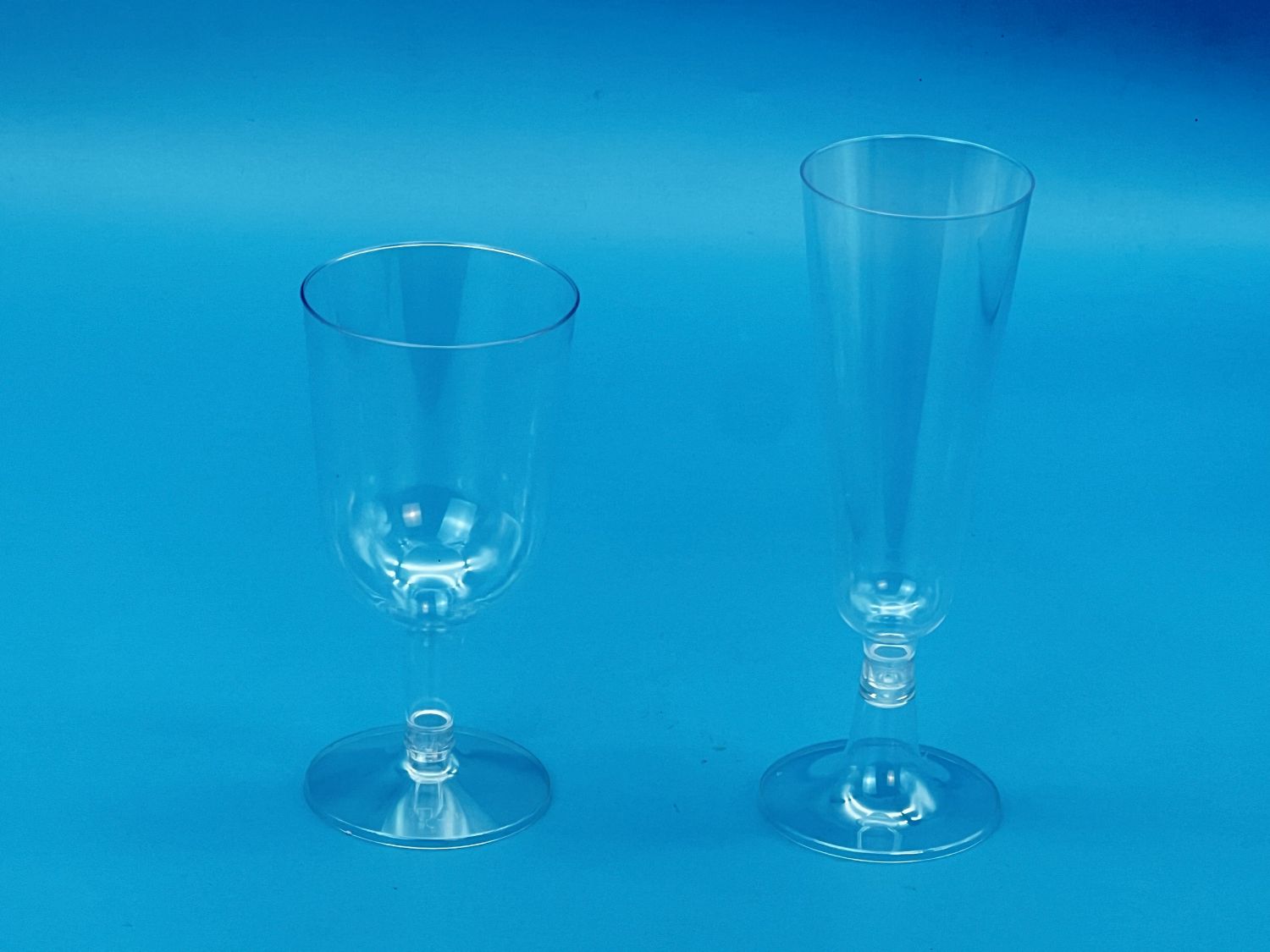
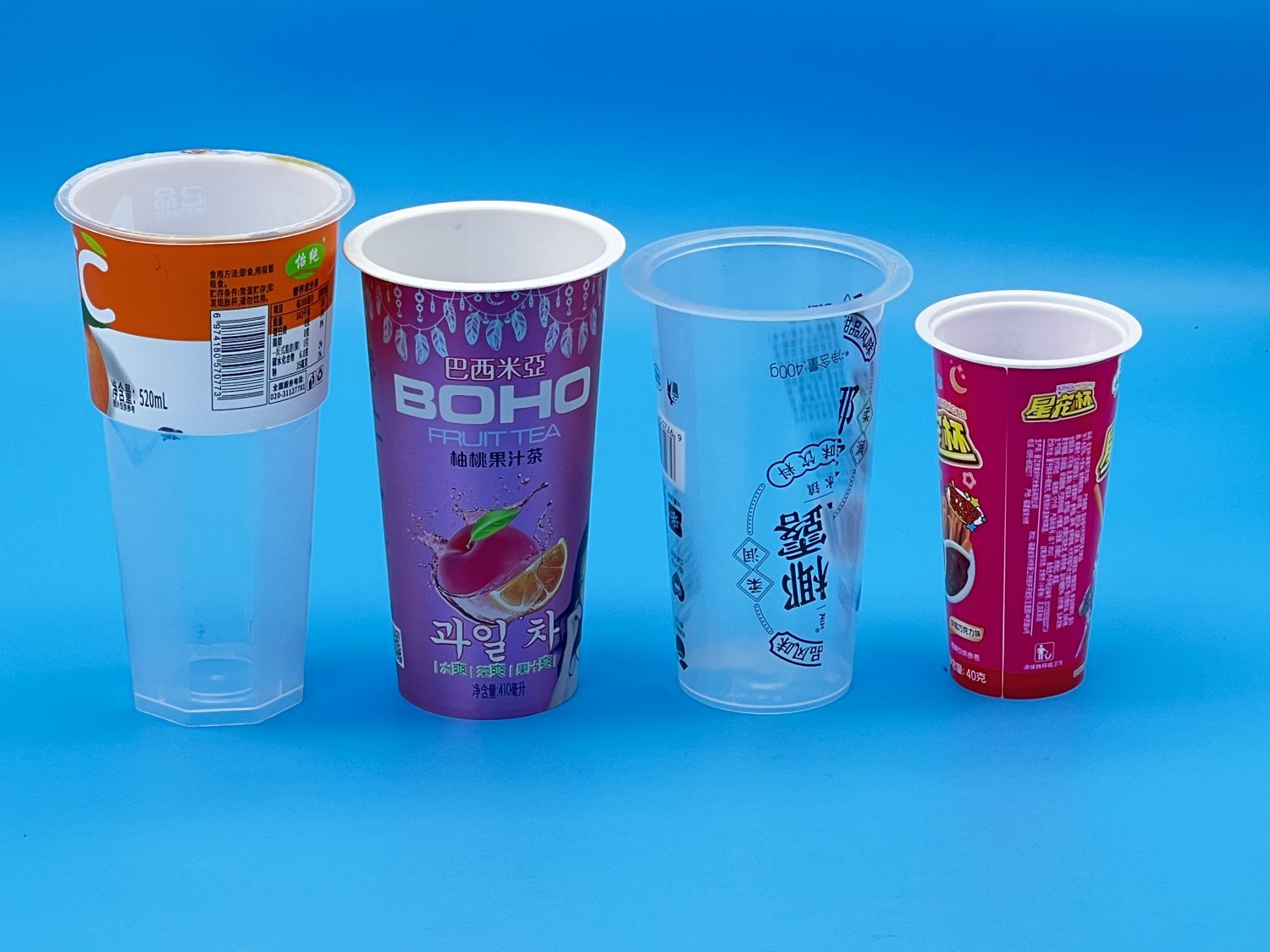
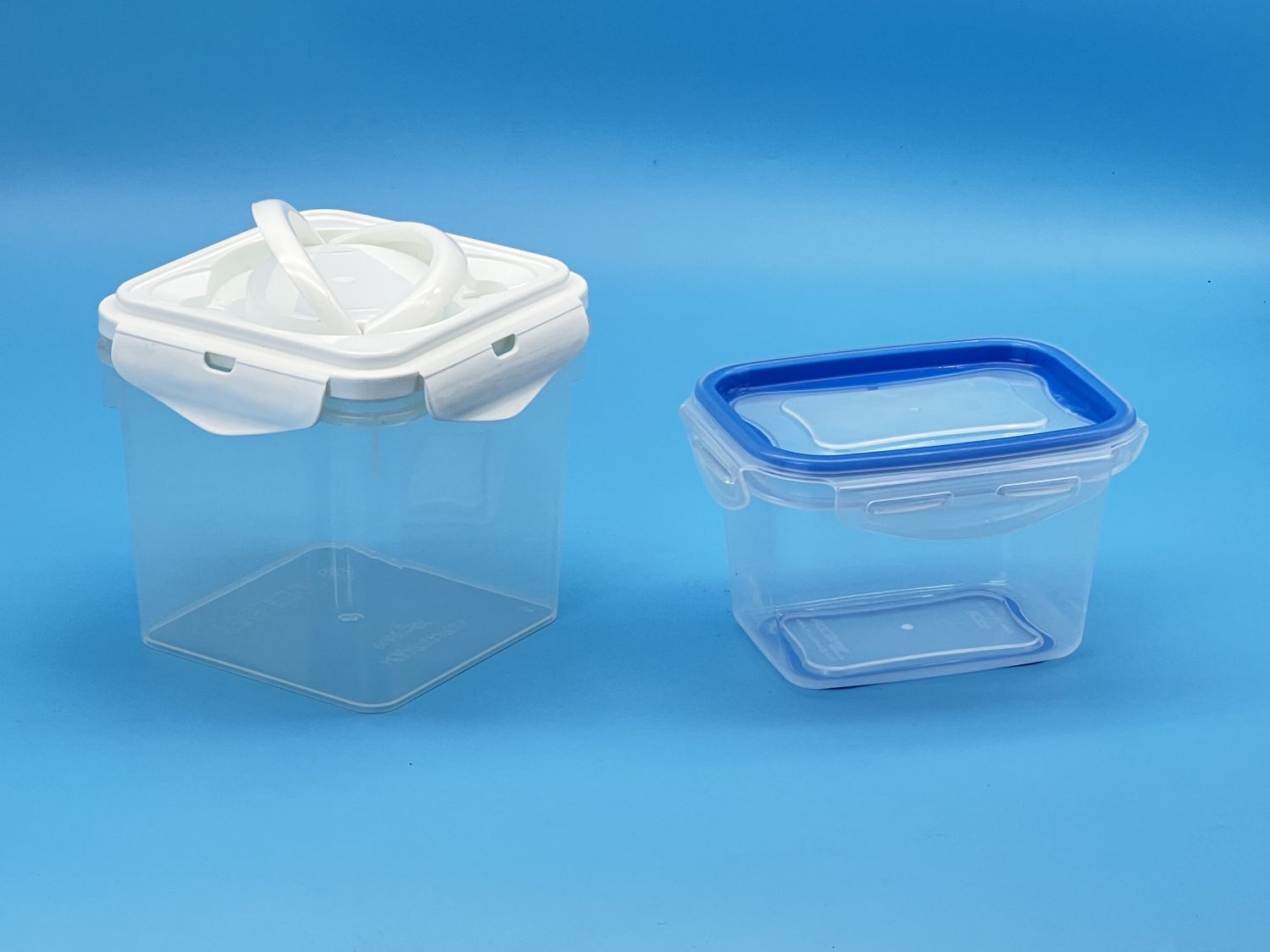
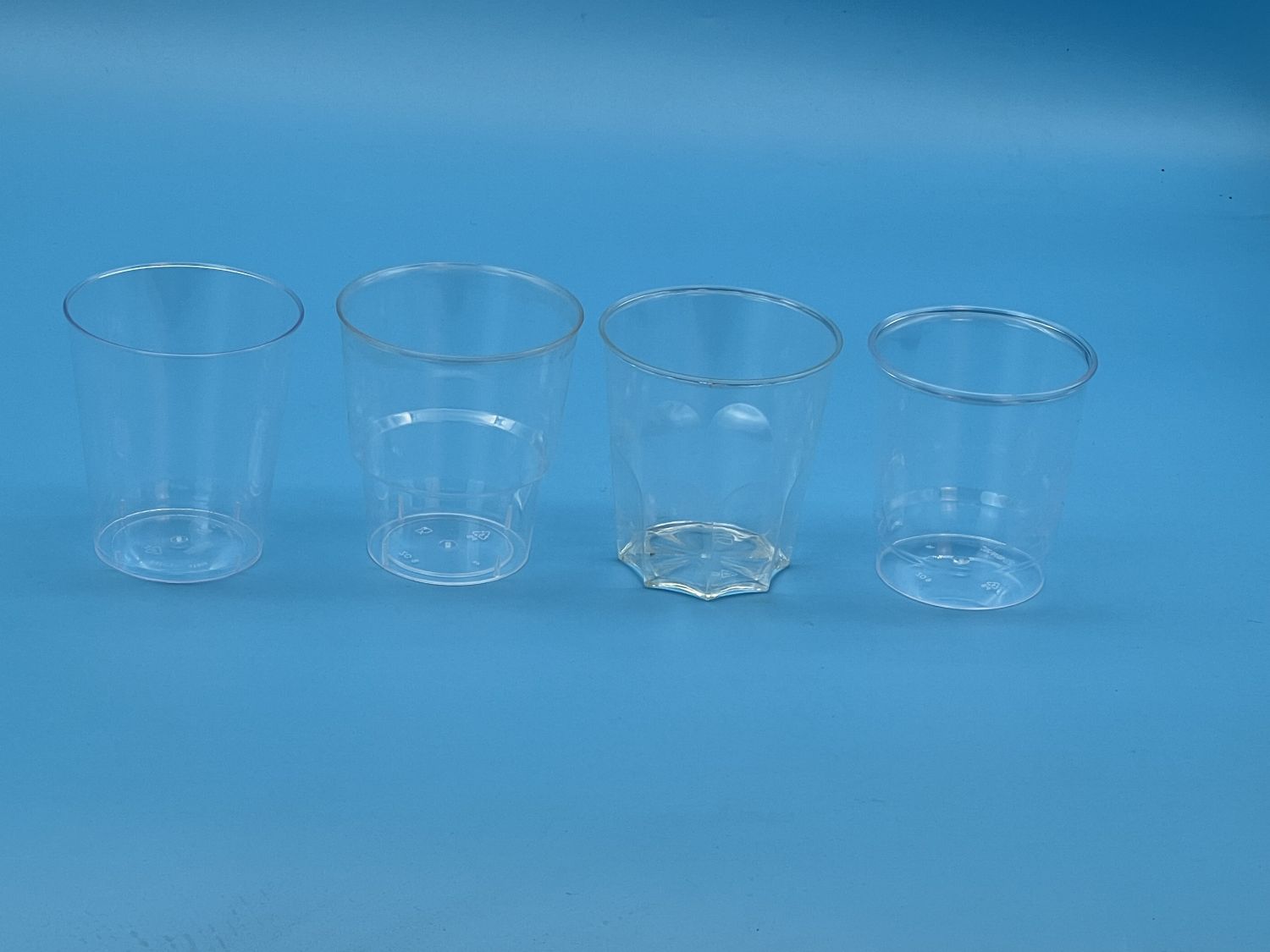
As more businesses seek sustainable alternatives to traditional plastic tableware, rice husk molded products are gaining serious attention. If you've read our earlier blogs on PP vs. PS Plastic Molds or our breakdown of transparent PS champagne flute molds, you already know that different materials shine in different applications. Rice husk tableware is no exception—and today we’ll explore whether it truly stands as a practical replacement for PP and PS products.
What Exactly Is Rice Husk Tableware?
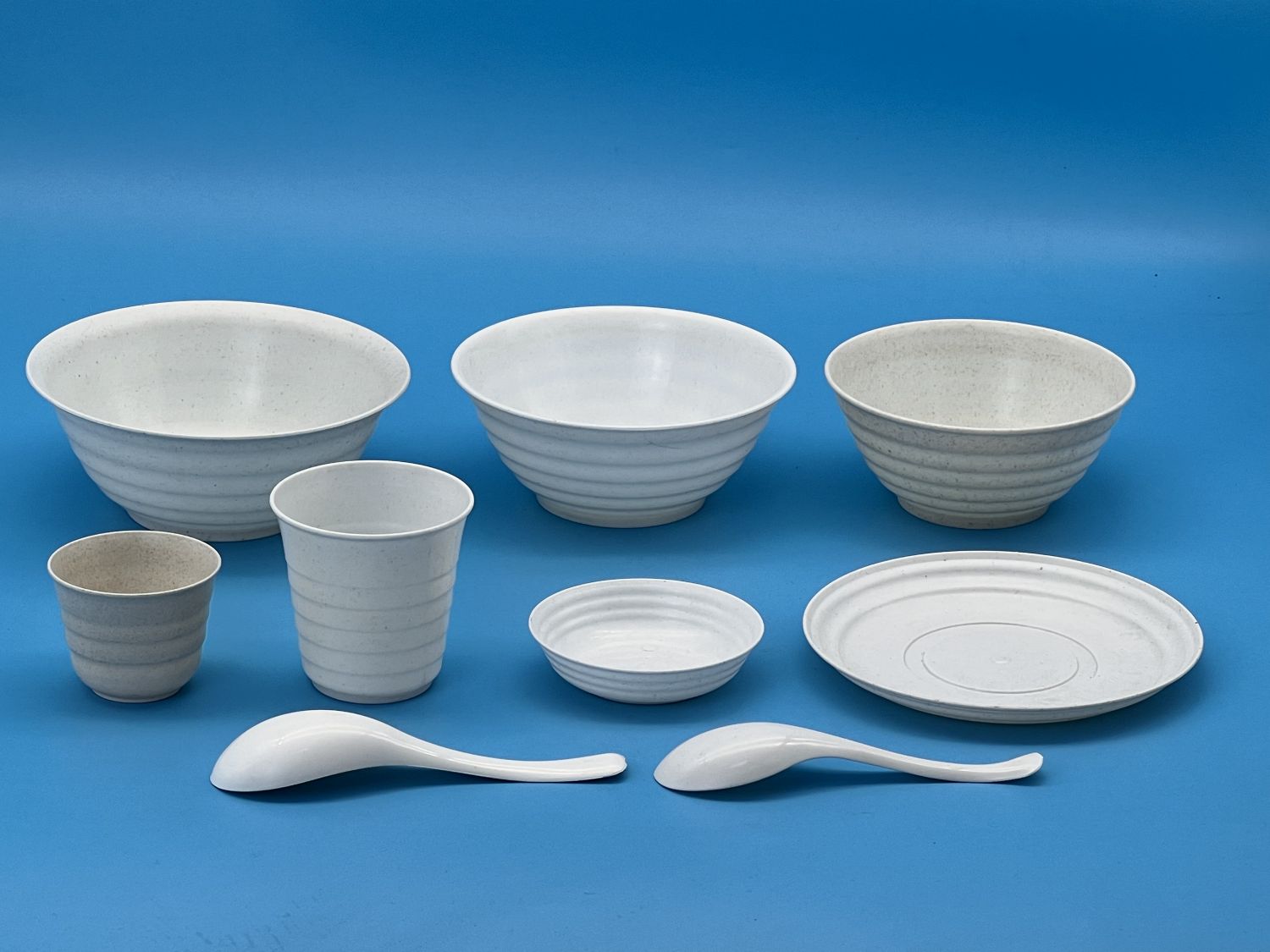
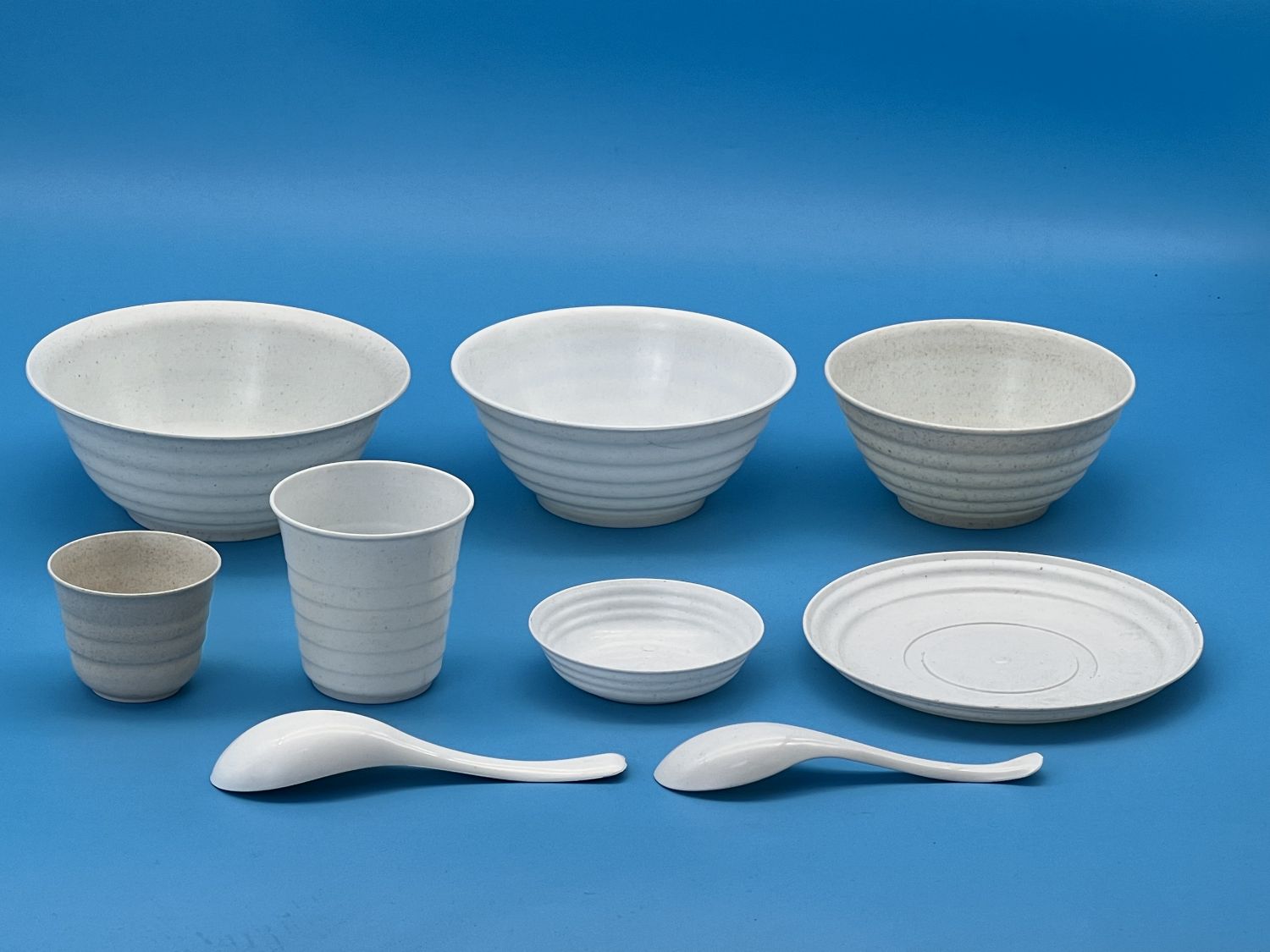
Rice husk tableware is produced from agricultural by-products—mainly the outer shells of rice grains. When compressed using a high-quality Disposable Rice Husk Mold, the material forms durable, lightweight food containers and utensils that provide both sustainability and usability.
Compared with PP or PS:
-
It has a natural fiber texture
-
It is biodegradable
-
It contains no harmful chemicals
-
It gives a more eco-friendly and organic appearance
And honestly, the natural look is part of why many consumers love it.
Is Rice Husk Tableware Safe for Food Contact?
Yes, absolutely.
Properly manufactured rice husk products often comply with major food-contact certifications, including:
-
FDA
-
LFGB
-
European food safety standards
In comparison:
| Feature | PP | PS | Rice Husk |
|---|---|---|---|
| Food Safety | Excellent | Good for cold use | Excellent |
| Heat Resistance | High | Low | Medium–High |
| Transparency | Low | High | Natural opaque |
| Eco-Friendliness | Medium | Low | Very High |
If you want an option that is both food-safe and natural, rice husk tableware performs extremely well.
How Heat-Resistant Are Rice Husk Products?
Most rice husk tableware can handle 100°C–120°C, which makes it suitable for:
-
Hot meals
-
Hot beverages
-
Short microwave reheating
It does not reach the same heat resistance level as PP, as we mentioned in our earlier PP container mold article, but for general food service use, it’s more than sufficient. Sometimes the heat distribution are not perfectly uniform across low-grade products, but that usually comes down to mold quality and processing.
Is the Material Durable Enough for Daily Use?
Surprisingly, yes.
Although it looks natural and fiber-based, rice husk tableware formed by a properly engineered mold offers:
-
Good flexibility
-
Crack resistance
-
Lightweight structure
-
Satisfying hand-feel
If you’ve tested PS drinkware before, you know how easily PS cracks under pressure. Rice husk products avoid this weakness while still maintaining a pleasant firmness.
Why Mold Quality Matters More for Rice Husk Products
Because rice husk material behaves differently from traditional thermoplastics, the mold design has a huge impact on final product performance. A strong Rice Husk Mold needs to support:
-
High compression forces
-
Balanced heat distribution
-
Smooth internal textures
-
Uniform fiber dispersion
At Baolin Mould, these design elements match the same precision we apply to PP, PS, and IML mold manufacturing—just adapted to the unique behavior of rice husk material.
Can Rice Husk Products Truly Replace PP or PS Tableware?
In some scenarios—yes. In others—not fully.
Rice Husk is Ideal When:
-
Sustainability is a priority
-
Customers prefer a natural look
-
Products may be reused multiple times
-
The brand wants stronger environmental appeal
-
Heat requirements are moderate
PP or PS is Better When:
-
You need crystal-clear transparency (PS)
-
You need very high heat resistance (PP)
-
Cost must be extremely low
-
Ultra-fast injection cycles are required
If your business values eco-friendliness and safety, rice husk tableware is a strong choice. But PP and PS still hold their ground in specific segments—just as discussed in our previous blogs.
Rice husk molded products offer a unique combination of sustainability, safety, and practicality, making them a highly reliable alternative to traditional plastics in many cases. And with consumer interest in eco-friendly packaging increasing year by year, it’s no surprise that more brands are shifting toward rice husk solutions.
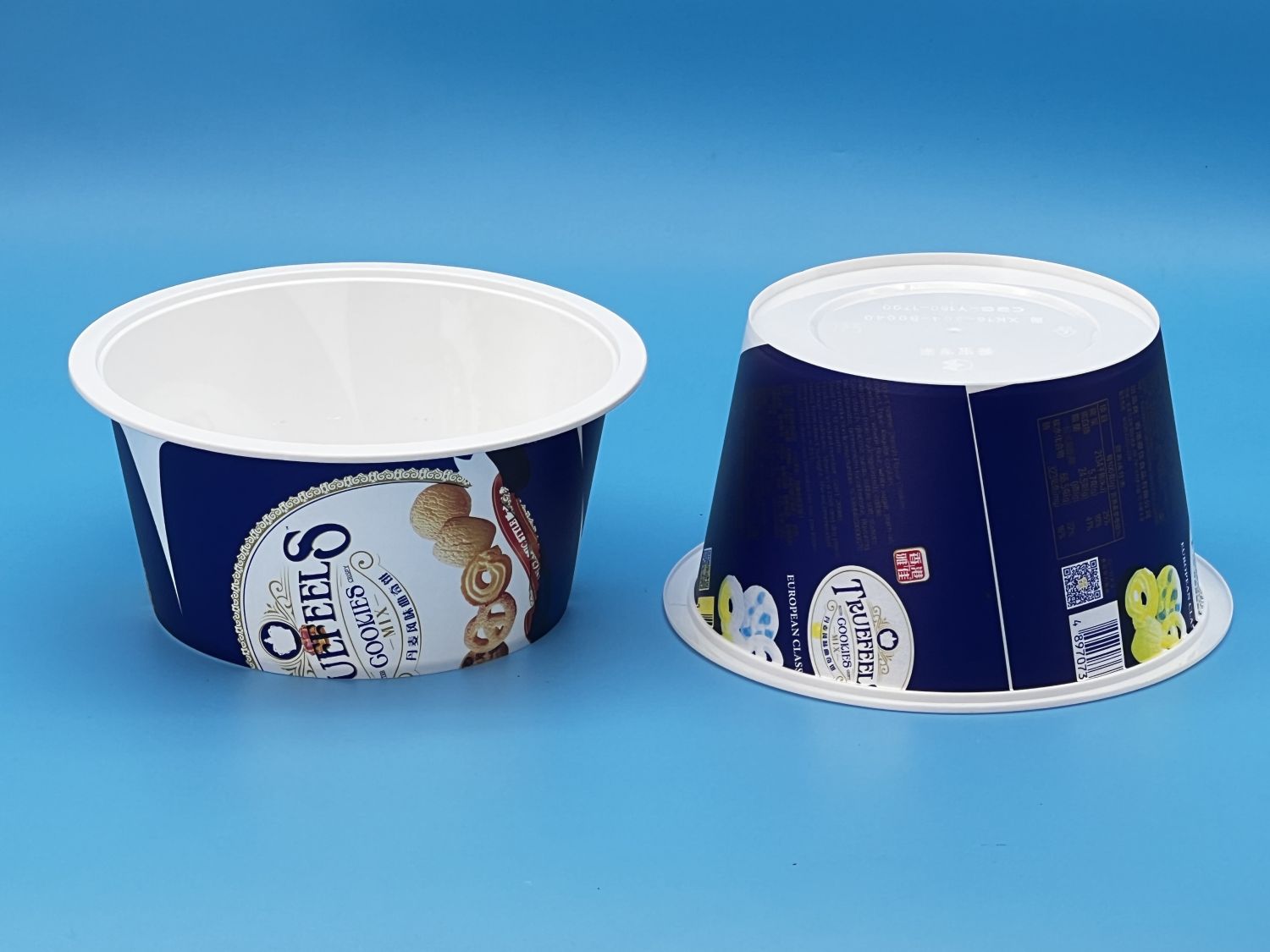
If you want to explore how rice husk compares directly with PP, PS, IML, or other thin-wall injection molding technologies, feel free to browse our previous articles—they connect naturally with today’s topic and can help you evaluate the best direction for your product line.
Recent Posts
2025-11-21
What Makes an IML Mold Truly Reliable?Contact US
Product Information
Quantity
Unit
Piece
Support order samples, customization, wholesale direct, and complete payment. If the product you look for does not have corresponding customized content, pls fill out the form below to contact us, and we will reply ASAP.